

Table of Contents
ToggleThe difference between a home that feels right and one that just doesn’t isn’t always obvious at first glance. Interior architecture and design work together to shape how your space functions and feels, yet many homeowners treat them as interchangeable. They’re not. Interior architecture is about the bones: walls, ceilings, spatial flow, and structural planning. Interior design adds the finishing touches: color, texture, furnishings, and style. Understanding this distinction is your first step toward planning a home that works as hard as it looks good. Whether you’re renovating a single room or reimagining your entire layout, grasping these fundamentals helps you make decisions that stick.
Key Takeaways
- Interior architecture focuses on structural elements like walls and spatial flow, while interior design adds personality through color, furnishings, and finishes—understanding this distinction is crucial for planning your project effectively.
- Effective space planning requires mapping traffic patterns, defining functional zones, and ensuring good flow to create a home that functions intuitively without unnecessary obstacles.
- Lighting is one of the most underestimated design elements; layering three light sources—ambient, task, and accent—transforms a room’s mood and usability far more than most realize.
- Test major decisions before committing: paint large swatches on actual walls and use kraft paper to outline furniture layouts to prevent costly regrets.
- Structural changes require permits and professional review, while design work like painting and furniture selection typically does not, so clarify which category your goals fall into before starting.
Understanding Interior Architecture vs. Interior Design
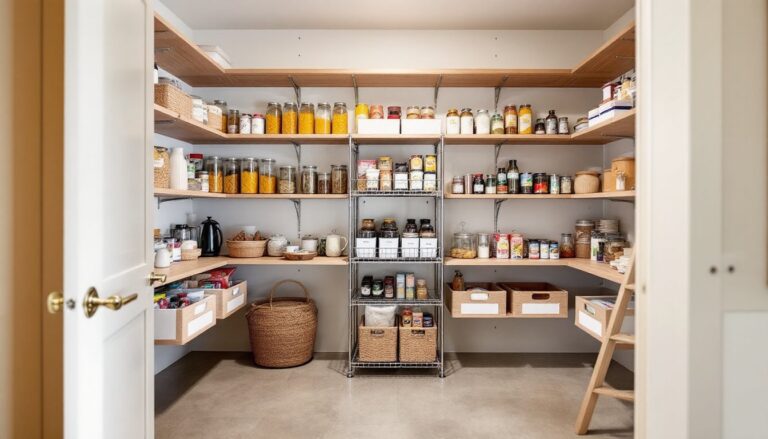
Interior architecture deals with the structure and layout of a space. It’s the work of opening up walls, repositioning doorways, adjusting ceiling heights, installing built-in storage, or reconfiguring load-bearing elements. This is the realm of permits, building codes, and sometimes licensed professionals. It answers the question: How should this room be shaped to serve its purpose?
Interior design, by contrast, fills that space. It addresses color palettes, furniture selection, lighting fixtures, textiles, and decorative elements. It asks: What should this room feel like and express? Design can completely transform a space without touching the structural elements.
The relationship between the two is symbiotic. Poor architecture, say, a bedroom adjacent to the kitchen with a doorway straight into high-traffic noise, can’t be fixed by great design alone. But beautiful architecture poorly decorated feels cold and incomplete. When you’re planning any project, identify which category your goals fall into, because the approach, timeline, cost, and people involved differ significantly. Structural work requires permits and professional review in most jurisdictions: design work usually doesn’t.
Core Principles of Space Planning and Layout
Effective space planning begins with understanding how people actually move through and use a room. It’s about intentionality, every surface, opening, and zone serves a purpose.
Start by mapping traffic patterns. In a kitchen, the work triangle between the sink, stove, and refrigerator shouldn’t be interrupted by a doorway or island that forces people to detour. In a living room, furniture placement shouldn’t block views or windows. In an entryway, consider where coats, shoes, and bags naturally accumulate, then design for it rather than against it.
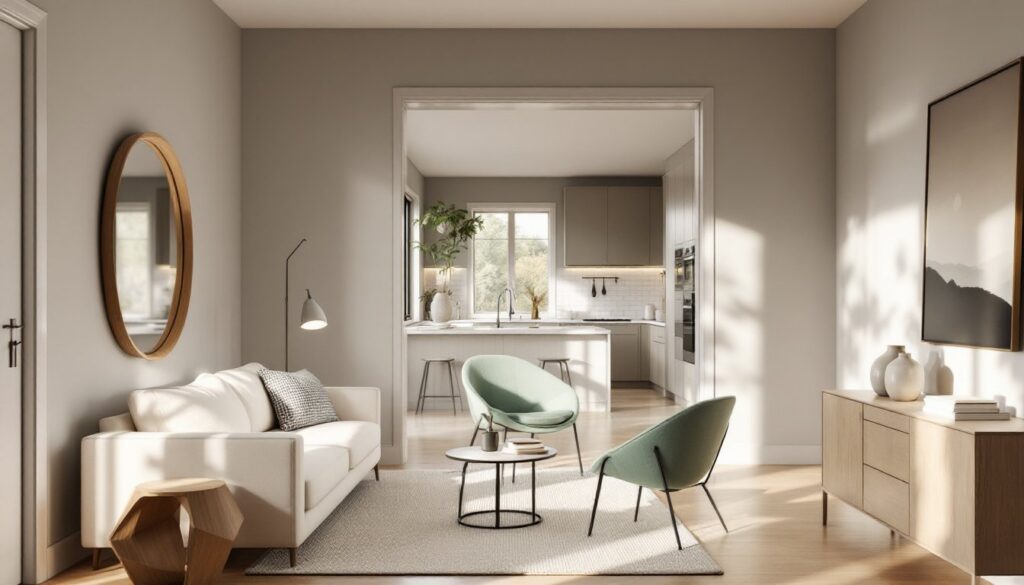
Next, think about zoning. Open-concept living doesn’t mean one amorphous blob of space. Even without walls, you can define zones through furniture arrangement, ceiling treatments, area rugs, or a slight change in flooring material. This helps the eye make sense of the space and allows different activities to coexist without collision.
Flow, Balance, and Functional Zones
Flow describes how naturally movement happens through a room. Good flow feels effortless: you’re not squeezing past a chair to reach the window or navigating an obstacle course to get to the kitchen. Test this by walking through your space and noting friction points.
Balance is visual equilibrium. A room weighted entirely on one side, say, all heavy furniture clustered on the left wall, feels unstable even if you can’t articulate why. Balance doesn’t require symmetry: an asymmetrical arrangement of varied-scale pieces can feel perfectly balanced if the visual weight is distributed thoughtfully.
Functional zones are areas dedicated to specific activities: a work nook with a desk, a reading corner with a chair and side table, a dining zone with enough clearance for chairs to pull out. Trends in Architecture: Discover the ways contemporary homes are increasingly designed around flexibility, with movable partitions and multipurpose zones that adapt to how people actually live. Define your zones by need, then arrange materials and furniture to support those functions.
Design Elements That Define Your Space
Once your architectural bones are in place, design elements create personality and atmosphere. These are the levers you pull to make a space feel warm, energizing, calm, or sophisticated.
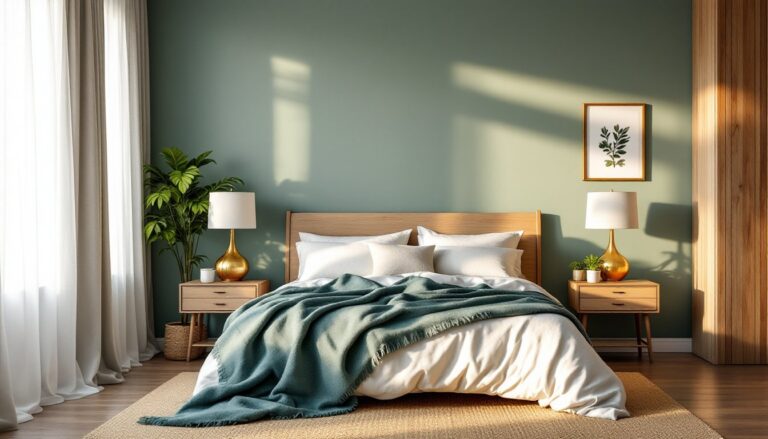
Color sets the emotional tone. Warm neutrals (creams, warm grays, soft taupes) create calm and coziness. Cool colors (soft blues, greens) feel serene and spacious. Rich, saturated colors (deep navy, forest green, burgundy) add sophistication and intimacy to smaller spaces. Lighter, brighter colors make rooms feel larger. Most design failures come from mismatched color intensity or temperature rather than the actual colors chosen, a warm beige and a cool gray in the same room create visual friction.
Color, Lighting, and Material Selection
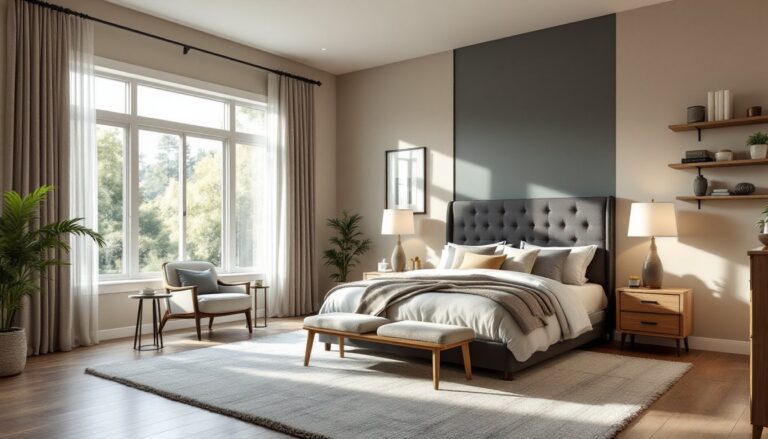
Lighting is arguably the most underestimated design element. A beautiful room under harsh overhead fluorescent light feels uninviting: the same room with layered lighting, overhead, task lighting at the desk, and warm accent lighting in corners, becomes inviting. Aim for at least three light sources per room: ambient (overall brightness), task (concentrated where you work or read), and accent (highlighting a feature).
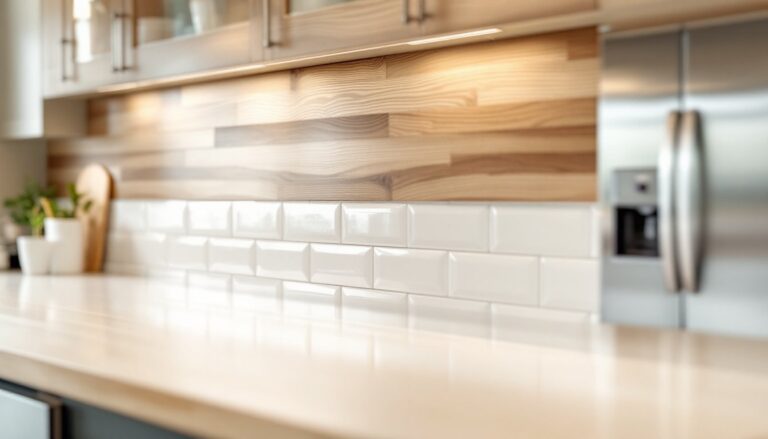
Natural light matters tremendously. Large windows or skylights aren’t just practical: they set the entire mood of a space. If you’re blocked by structural constraints, consider reflective materials like light-colored walls, mirrors (strategically placed to bounce light, not create awkward reflections), and glossy finishes on cabinets or backsplashes.
Material selection bridges architecture and design. Hard materials, wood, tile, concrete, stone, define durability and aesthetics. Soft materials, fabric, wool, leather, add comfort and warmth. A room with only hard materials feels cold: one with only soft materials feels chaotic. The 70-30 rule is a useful guide: about 70% of visible surfaces are one material type (say, painted drywall), with 30% in contrasting materials (wood trim, tile backsplash, concrete countertop) to add visual interest.
When selecting finishes, consider both aesthetics and practicality. A matte-finish wall paint looks sophisticated but shows fingerprints: satin or eggshell finishes are more forgiving. Natural wood is beautiful but requires maintenance: engineered wood or high-quality laminate offers durability with less upkeep. Interior Design Ideas for Modern Homes showcase how contemporary designers balance visual appeal with livable, maintainable spaces.
Practical Steps for Planning Your Own Interior Architecture Project
Before you knock out a wall or commit to a color scheme, do your assignments.
1. Assess what you have. Take measurements of your room, length, width, ceiling height, window and door locations, electrical outlets, and any fixed features like fireplaces or built-ins. Sketch a rough floor plan to scale. Note natural light sources and how light changes throughout the day. This sounds tedious, but it prevents expensive mistakes.
2. Identify your goals. Are you solving a functional problem (the kitchen doesn’t have enough counter space) or pursuing a style refresh (the room feels dated)? Functional issues might require architecture: style issues are design territory. Be specific. “I want it to feel nicer” is vague: “I want the space to feel calm and work-focused” gives actual direction.
3. Clarify what requires permits. Moving walls, relocating plumbing or electrical, changing ceiling height, or adding structural elements require permits in most jurisdictions. Painting, replacing flooring, or hanging new fixtures typically don’t. When in doubt, contact your local building department. Unpermitted structural work can create liability and headache when you sell.
4. Gather inspiration. Browse 75 Interior Design Ideas for Your Home and similar resources, but look for patterns rather than copying one room wholesale. Do certain color combinations appear repeatedly? Do you gravitate toward minimalist or layered spaces? What materials feel “right” to you? Save images and note what actually appeals, not what you think should appeal.
5. Test before committing. For color, paint a large swatch (at least 2 feet square) on your actual wall and observe it at different times of day. For furniture layouts, use kraft paper or painter’s tape to outline furniture footprints on the floor. These tests cost almost nothing and prevent remorse.
6. Plan from the largest elements down. Start with wall color or major structural changes, then choose flooring, then larger furniture, then lighting and accessories. This ensures cohesion rather than struggling to make a statement sofa work with walls you chose first.
7. Work in stages if budget is tight. You don’t have to do everything at once. Focus on what affects daily function and mood first, then add design refinement later. Architecture Case Studies: Uncovering design secrets shows how even phased projects create impact when planned thoughtfully.
If structural work is required, hire a licensed architect or contractor to review your vision and confirm feasibility. It’s a few hundred dollars well spent to avoid costly rework or code violations.
Conclusion
Interior architecture and design are distinct disciplines that work best in concert. Good architecture provides the framework: good design brings it to life. Start by understanding your space, identifying whether your goals are structural or stylistic, and being honest about what you can tackle versus what needs professional input. Measure twice, test before committing, and plan from the largest decisions down. The result is a home that functions intuitively and feels intentional, not by accident, but by design.