



Table of Contents
ToggleA square fire pit transforms your backyard from a neglected patch of grass into an actual gathering space, the kind where neighbors linger longer than expected and your kids actually want to be outside. Unlike the predictable round designs that have dominated patios for decades, square fire pits offer cleaner sightlines, better integration with modern deck layouts, and a more intentional aesthetic. Whether you’re drawn to the streamlined look of a contemporary steel frame, the permanence of a built-in stone structure, or the simplicity of a portable tabletop model, there’s a square fire pit design that fits your space, budget, and skill level. Let’s walk through 13 proven approaches that work in real backyards, not just Pinterest boards.
Key Takeaways
- Square fire pit designs offer cleaner sightlines and better integration with modern deck layouts compared to traditional round fire pits.
- Built-in masonry fire pits cost $800–$2,000 and take 2–3 days to complete, making them a durable backyard upgrade that increases home value when properly permitted and installed.
- Portable and tabletop square fire pits provide flexibility without permits or foundation work, with options ranging from $150–$800 depending on size and material quality.
- Corten steel and powder-coated steel fire pits deliver contemporary aesthetics with minimal maintenance, though they require proper care to prevent rust and corrosion.
- DIY square fire pit projects using composite blocks, steel fire rings, or bench-style seating offer cost-effective alternatives starting at $300–$800 for homeowners with basic skills.
- Proper leveling and measurement are critical to success—check diagonals to ensure square corners and use fire-rated materials for interior surfaces to prevent cracking and ensure safety.
Why Square Fire Pits Are the Perfect Backyard Upgrade
Square fire pits have practical advantages beyond aesthetics. The perpendicular edges align naturally with deck posts, pergolas, and rectangular patio layouts, a square patio with fire pit becomes a cohesive design unit instead of an afterthought. Heat radiates more evenly in four directions compared to round designs, and seating arrangements feel less chaotic when people aren’t arranged in a perfect circle.
From a construction standpoint, square pits are easier to frame and build. You’re working with 90-degree angles instead of calculating radii, which means fewer measurement headaches and tighter joints. If you’re sourcing materials like stone, pavers, or metal stock, square dimensions also reduce waste, manufacturers cut standard lengths and widths that fit square footprints more efficiently than rounded ones.
The durability factor matters too. A square steel insert sits stable on a level base with minimal shifting: the corners provide natural stress-distribution points. Wood surrounds won’t cup or warp as noticeably because weight distributes across flat surfaces rather than concentrating at the center.
Built-In Square Fire Pit Designs for Permanent Installations
Permanent fire pits anchor a backyard design and increase home value, when done right. These installations require a permit in most jurisdictions, a proper concrete foundation, and clearance from structures (check your local fire code: 10–15 feet from buildings is standard, but confirm with your municipality).
Stone and Brick Construction Options
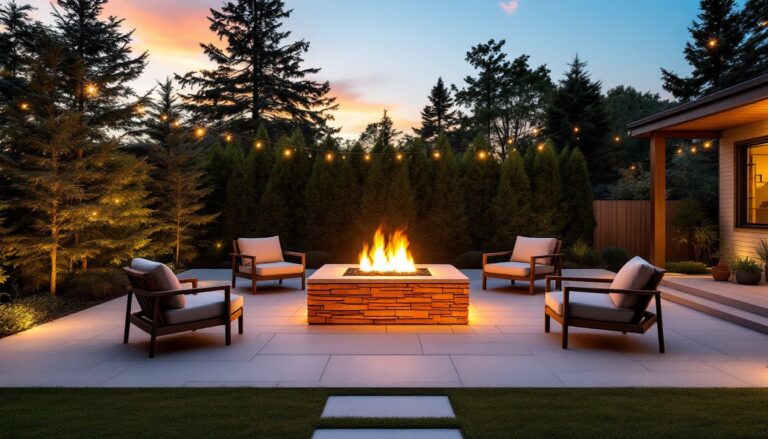
Masonry fire pits are the gold standard for a reason: they’re durable, look intentional, and improve with age. A basic design stacks 8–12 inches of stone or brick (a mix of the two works fine) around a 36–48 inch square fire box. Use fire-rated bricks on the interior: regular building bricks can spall (crack and pop) under intense heat.
You’ll need landscape fabric beneath the pit to prevent weed growth, a 4-inch concrete slab as the foundation (reinforced with rebar or wire mesh), and high-temperature mortar rated for at least 2000°F. Lay the first course in a bed of mortar, then stack subsequent courses, checking level and plumb every few rows. Leave gaps between bricks on the lower interior courses for airflow, this prevents gases from building up and cracking the structure.
For a polished look, cap the perimeter with flat coping stones (6–12 inches wide) that extend slightly outward, creating a bench surface. A firepit benches with integrated table and storage approach pairs beautifully with a masonry pit and gives you seating plus functional storage within arm’s reach.
The whole project takes 2–3 days (including cure time for mortar) and costs $800–$2,000 depending on material choice and whether you hire help. Don’t skip the foundation: a shifting pit is a cracked pit.
Portable and Tabletop Square Fire Pits for Flexible Spaces
Not ready to commit to a permanent installation? Portable fire pits offer flexibility, move them to follow the sun, store them indoors during off-season, or take them camping.
Tabletop square fire pits are compact (12–20 inches per side) and burn gel fuel, propane, or wood-style resin logs. They’re safer for decks because they sit on fire-resistant legs, and most come with safety screens. Cost runs $150–$600. They’re perfect for small patios or as a secondary heat source: don’t expect them to heat a large seating area.
Portable steel pit boxes (24–36 inches square) are heavier but sturdier. Look for models with a spark guard, adjustable grate, and sturdy handles. Quality portable pits use 1/4-inch steel or thicker to withstand years of use and temperature cycling. You’ll pay $300–$800, but a well-made portable pit outlasts several cheap alternatives. Store it under a cover when not in use, rust is the enemy of longevity.
The advantage of portables: no permits, no digging, no foundation work. The tradeoff: you’re limited to smaller models, and they won’t provide the same ambiance or heat output as a built-in pit.
Modern Metal and Steel Fire Pit Ideas
Contemporary fire pit designs favor corten steel (weathering steel that develops a protective rust-like patina) and powder-coated steel frames. These pits feel intentional and pair well with minimalist decor or modern architecture.
Corten steel pits cost $500–$1,500 and develop a striking orange-brown finish within weeks. They’re low-maintenance, the surface oxidation actually prevents deeper rust. A simple corten box sits directly on a gravel base (no concrete needed for portables) and looks like a sculptural element in your yard.
Powder-coated steel pits (often black, grey, or bronze) offer a cleaner, more refined look. They require a clear coat or occasional touch-up to prevent rust, but they’re durable when maintained. Prices range $400–$1,200.
For a truly custom look, some fabricators will create bespoke metal inserts or frames, flat-sided designs that integrate LED lights, seating ledges, or storage compartments. If you’re handy with a welder and have access to equipment, you can build your own square steel pit from 1/4-inch plate steel, a grate, and some hinges for an ash-pan door. Cost for materials runs $200–$400, plus your time.
Wear heavy-duty welding gloves, a face shield, and hearing protection if you’re doing the work yourself. Steel gets hot during welding and stays hot, don’t rush the cooling process.
DIY Square Fire Pit Projects You Can Build This Season
If you want to build a small permanent pit without masonry, composite retaining wall blocks are your shortcut. Composite blocks (plastic-and-wood hybrids) won’t rot like pressure-treated lumber and don’t require mortar. Stack them to form a 4–5 foot square, line the interior with fire-rated bricks or a steel insert, and you’re done. Total cost: $300–$600, and it takes a day.
For a mid-level project, build a frame fire pit with a pre-made steel fire ring (available at garden supply stores for $100–$300). Dig a square pit 3–4 feet deep, set the steel ring in the center, and backfill with stone around the perimeter. Build a seating ledge with stacked stone or treated lumber on the outside edges. This approach gives you a permanent feel without full masonry work.
Want to go really simple? The Handyman’s Daughter and similar DIY resources offer plans for square bench-style seating that doubles as a fire pit surround. You build the benches first (straightforward woodworking with 2×4s and 2×6s), then install a portable fire ring in the center. Cost: $400–$800 for materials, plus a weekend of work.
For step-by-step guidance on building project plans and tool selection, Fix This Build That covers detailed woodworking approaches that beginners can tackle. Start with a level, square base, use a 4-foot level and check diagonals to ensure square corners. Measure corner-to-corner: both diagonals should be equal. If they’re off by more than 1/4 inch, adjust until they match.
Conclusion
Square fire pits aren’t just a design trend, they’re a practical, flexible way to add function and ambiance to your backyard. Whether you’re digging into permanent masonry, assembling a portable steel pit, or building custom seating around a fire ring, there’s an approach that fits your timeline, skill level, and budget. Start with what you know you’ll use, measure twice, and build once.