


Table of Contents
ToggleTeal has become a go-to choice for homeowners seeking a bedroom that feels both calming and visually striking. This muted blue-green hue strikes a rare balance, it’s sophisticated enough for grown-up spaces yet soothing enough to promote genuine rest. Whether you’re painting walls, layering in teal bedroom decor through textiles, or going bold with a feature wall, teal works because it taps into our natural attraction to water and nature. The color psychologically lowers cortisol (stress hormone) while adding personality that beige never could. This guide walks you through seven practical ways to bring teal into your bedroom, from paint application to furniture placement, so you can create a retreat that actually feels like one.
Key Takeaways
- Teal is an ideal bedroom color because it balances sophistication with calmness, psychologically lowering stress while adding personality that neutrals cannot achieve.
- Start with a single feature wall if you’re hesitant about teal bedroom ideas, then gradually expand once you’ve tested how the color performs in your specific lighting.
- Layer teal bedroom decor through textiles like throw blankets, curtains, and rugs rather than matching all furniture to wall color, preventing a flat, one-dimensional look.
- Use warm white lighting (2700K) to enhance teal’s cozy feel and support better sleep quality, and avoid cool white bulbs that can make the space feel clinical.
- Pair teal with neutral colors like white, cream, and gray, plus warm metallics like brass or copper, while keeping accessories minimal to preserve the color’s calming psychological benefits.
Why Teal Works As A Bedroom Color
Teal occupies a sweet spot in the color spectrum. It’s cooler than warm neutrals like taupe, but not as clinical as pure blue. This makes it naturally restful without feeling cold or institutional, a critical distinction when you’re choosing a color you’ll see for eight hours a night.
From a decorating standpoint, teal pairs exceptionally well with natural materials. Wood tones, linen, cotton, and stone all complement teal because the color echoes water and foliage. Research shows that spaces featuring relaxing bedroom colors like teal correlate with better sleep quality, partly because the brain associates the hue with outdoor environments.
Teal also gives you flexibility. A soft sage-teal works in minimalist, Scandinavian, or farmhouse designs. A deeper jewel-teal suits eclectic, bohemian, or modern spaces. You’re not locked into one aesthetic, this color adapts to whatever style direction you lean.
Teal Wall Treatments And Paint Options
Feature Wall Approaches
If you’re nervous about committing teal to all four walls, start with a feature wall, typically the wall behind your bed or the first wall you see entering the room. This approach lets you test the color’s intensity in your specific lighting without overwhelming the space.
Paint selection matters. Not all teals are created equal. Flat or matte finishes hide imperfections but don’t reflect light: eggshell or satin finishes offer subtle sheen that makes teal look deeper without being glossy. For a bedroom, eggshell is the sweet spot, it’s forgiving on prep work and washable if you get marks.
Before painting, proper surface prep is non-negotiable. Fill any drywall holes with spackling compound, sand smooth once dry, and prime with a quality primer. Poor prep shows through teal more than neutral colors because the eye catches every imperfection against bold hues. Most quality teal paints require two coats: budget for that.
If you’re going full four-wall teal, consider depth variation. Paint the wall behind your bed in a deeper teal and adjacent walls in a lighter shade of the same hue. This creates visual interest without requiring a second color and keeps the room feeling cohesive. For all-teal rooms, design inspiration from interior design platforms shows how layering textures, wood furniture, white bedding, natural fiber rugs, prevents the space from feeling monotonous.
Furniture And Textiles In Teal Tones
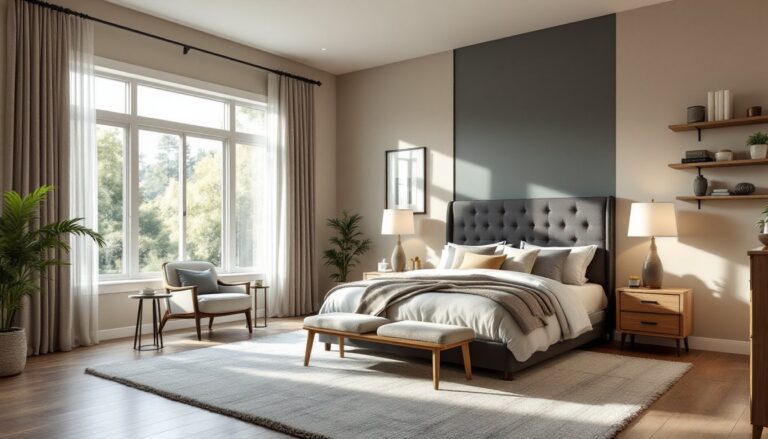
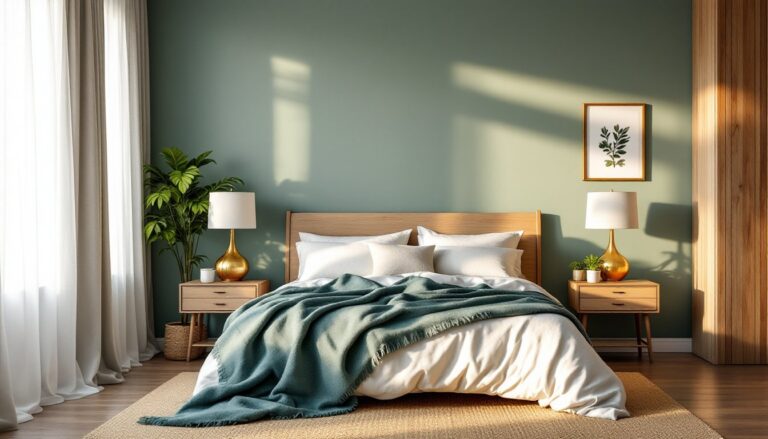
Once walls are set, teal bedroom decor through furniture and soft furnishings anchors the whole design. You don’t need to match furniture exactly to your wall color, in fact, you shouldn’t. A teal upholstered headboard against teal walls flattens the room. Instead, let your bed become a textural anchor with white, ivory, or gray bedding, then layer in teal through a throw blanket, accent pillows, or an upholstered bench at the foot.
For upholstered pieces like headboards or an accent chair, choose durable fabrics. Linen and cotton blends resist pilling and age gracefully. Avoid thin velvet in high-traffic bedroom furniture unless you’re okay with visible wear patterns over time. If you do select a teal upholstered headboard, mount it on a sturdy frame, a loose headboard is both a safety hazard and visually sloppy.
Textiles like curtains or area rugs offer flexibility. A teal rug grounds the space, especially if paired with a natural wood bed frame and warm-toned nightstands. Teal curtains filter light beautifully and create a cocoon effect that promotes sleep. Linen curtains hang naturally without looking stiff: if you prefer heavier blackout options for better light control, pair blackout lining with a teal face fabric.
Layering is the key to avoiding a flat, one-note bedroom. Mix matte and slightly textured fabrics, combine teal with neutrals, and let your textiles do the heavy lifting for visual interest.
Lighting And Accessories To Enhance Your Teal Bedroom
Lighting dramatically shifts how teal reads in a space. Warm white bulbs (2700K color temperature) make teal feel cozy: cool white bulbs (4000K or higher) emphasize the blue undertones and can feel sterile in a bedroom. For sleep quality, stick with warm white, especially near the bed.
Layered lighting matters more than a single overhead fixture. A ceiling fixture handles ambient light, but add bedside lamps on each nightstand for reading and mood. Look for lamps with warm-toned shades, linen or fabric diffuses light gently, while solid brass or matte black bases complement teal without competing. If you have recessed ceiling lights, install dimmers so you can adjust intensity.
Accessories should enhance, not clutter. Teal bedroom decor works best when accessories remain minimal and intentional. A brass or wood-framed mirror opposite a window bounces light around and makes the room feel larger. A single piece of wall art, perhaps a botanical print or abstract piece with teal accents, adds personality without visual noise. Nightstands benefit from a small plant (snake plant or pothos thrive in bedrooms with moderate light) and a functional table lamp.
Avoid the trap of adding too many accent colors. Teal with white, cream, gray, and natural wood is a complete palette. If you introduce terracotta, mustard, or burgundy, you’re competing for attention and diluting teal’s calming power.
Complementary Colors And Design Pairings
Teal pairs beautifully with warm and cool neutrals alike. White creates a fresh, Scandinavian feel: cream adds softness: gray bridges teal and cooler tones: and warm beige or tan echoes natural materials. The key is choosing one dominant neutral to avoid a chaotic, mismatched aesthetic.
If you want a pop of a second color, warm metallics work best. Brass and copper warm up teal’s cool undertones, while warm gold adds luxury without clashing. Matte black or charcoal grounds the space and adds sophistication, especially in modern or eclectic designs. Avoid cool silvers with teal unless your entire design leans minimalist and contemporary.
Natural materials reinforce teal’s organic feel. A reclaimed wood headboard, jute rug, or woven wall hanging all work because wood and plant fibers echo the nature-inspired roots of the color. If you’re working with existing furniture, a teal throw and pillows bridge the gap until you upgrade pieces.
For those drawn to maximalist or bohemian style, teal pairs with navy, forest green, and deep jewel tones, ruby, sapphire, or emerald accents in art or smaller decor pieces. This approach requires confidence and intentional curation to avoid looking cluttered, but when done thoughtfully, it creates a deeply personal, gallery-like bedroom. Home decorating platforms showcase layered color examples that prove teal’s versatility across design styles.
Conclusion
Teal transforms a bedroom from a generic sleeping space into a retreat that supports both rest and personality. Whether you choose a single feature wall, commit all four walls, or introduce teal through furniture and textiles, the color works because it’s psychologically calming while visually distinctive. Start with your paint selection, layer in textiles and lighting thoughtfully, and keep accessories minimal so teal can do the heavy lifting. The result is a bedroom that feels intentional, restful, and distinctly yours, exactly what a personal retreat should be.