




When you think of Iceland, images of majestic glaciers and dramatic volcanoes may dance through your mind. But behind these breathtaking landscapes lies an architectural scene that mirrors the country’s stunning environment. From traditional turf homes to avant-garde museums, Icelandic architecture isn’t just a feast for the eyes: it’s a testament to how nature and man-made design beautifully coexist. So buckle up as we dive deep into the world of Icelandic architecture, where the buildings tell stories as captivating as the sagas themselves.
Historical Overview of Icelandic Architecture
Traditional Icelandic Buildings and Their Significance
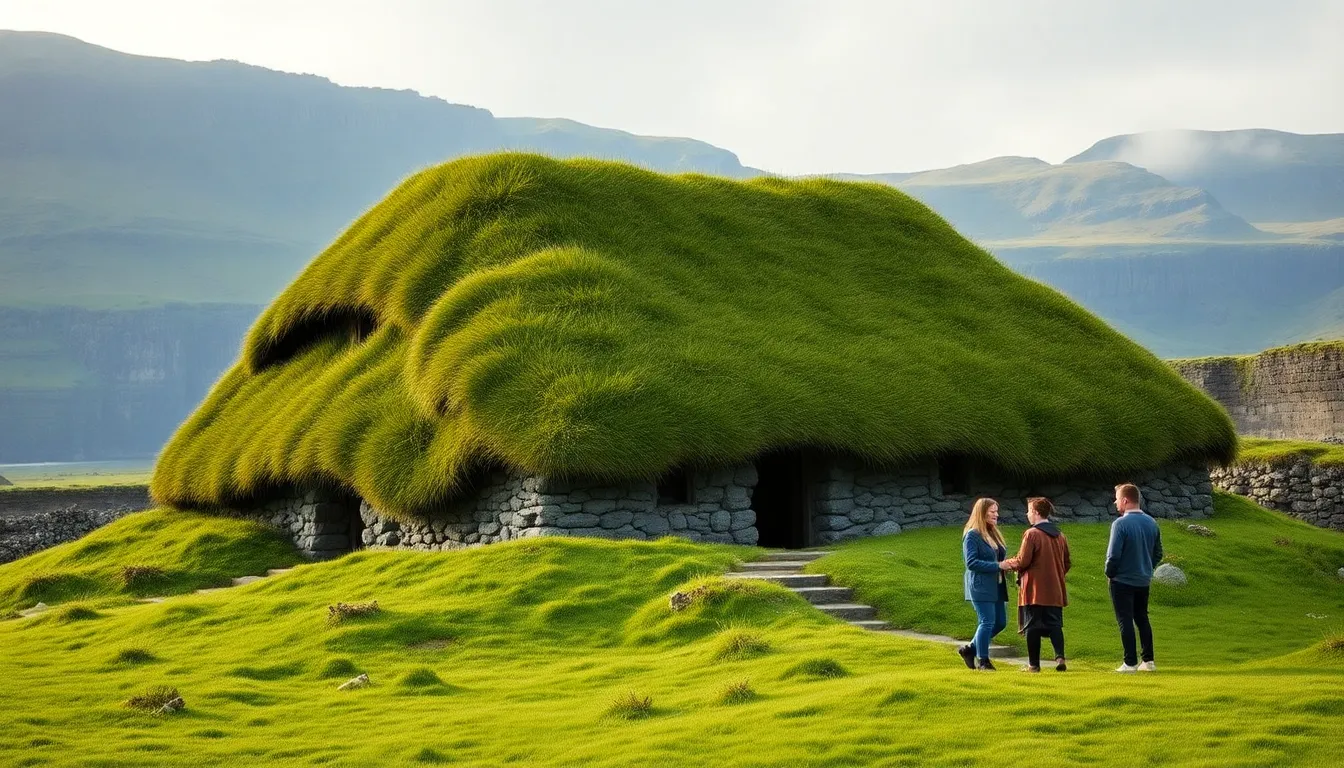
Iceland’s architectural history is steeped in tradition, with roots tracing back to the Viking Age. Early Icelanders constructed homes primarily from turf, wood, and stone, creating unique structures that blended seamlessly with the landscape. These traditional turf houses, with their grass-covered roofs, served a dual purpose: they insulated against the harsh Icelandic winters while harmonizing with the stark beauty of the countryside.
Significantly, these buildings were more than just shelter: they reflected social status and community. In remote areas, these homes acted as communal gathering places, fostering a sense of belonging among families and communities. The architectural styles of these houses demonstrated a profound respect for nature, a quality that remains a vital aspect of Iceland’s identity today.
Influence of Natural Resources on Architectural Styles
The availability of natural resources significantly shaped Iceland’s architectural styles. Builders utilized what was at hand, often leading to practical yet aesthetically pleasing designs. Wood, for instance, was scarce: hence, builders relied heavily on geothermal stone and turf.
Over time, this resourceful approach led to innovation. Architectural techniques evolved to withstand the island’s extreme weather conditions. The striking contrast between traditional materials and contemporary designs reflects a society that values both its heritage and progress, demonstrating how the past informs the present.
Modern Architecture in Iceland
Sustainability and Eco-Friendly Design Practices
Today, sustainability stands at the forefront of Icelandic architecture. With climate change posing undeniable challenges, architects in Iceland are leading the charge toward eco-friendly design practices. The utilization of geothermal energy and natural materials is common, as many buildings aim to minimize environmental impact while maximizing energy efficiency.
This commitment to sustainability doesn’t only serve a practical purpose: it embodies Iceland’s ethos of living harmoniously with nature. The result is a burgeoning trend in architecture where modern designs feature green roofs and walls made of local materials. Satisfying both aesthetic and functional needs, these structures reflect Iceland’s rich natural surroundings while embracing cutting-edge technology.
Iconic Modern Structures in Reykjavik
Reykjavik, Iceland’s capital, is a treasure trove of modern architectural marvels. The Harpa Concert Hall, with its kaleidoscopic glass façade, stands as a symbol of Reykjavik’s vibrant cultural pulse. Designed by Danish-Icelandic artist Olafur Eliasson, Harpa is not only an architectural achievement but also a space that hosts arts and culture. Visitors often find themselves mesmerized by the interplay of light and shadow within its walls.
Another gem in the city is the iconic Hallgrímskirkja, a church that rises dramatically above the city. Inspired by the natural landscapes surrounding it, the structure’s design evokes the shapes of lava columns found in Iceland’s unique geology. This blend of the natural world with human creativity showcases how the spirit of Iceland lives on through its modern architecture.
The Role of Architecture in Icelandic Culture
Architecture as Reflected in Art and Literature
The impact of architecture on Icelandic culture extends beyond the physical realm. Its influence reverberates through art and literature, enriching the cultural narrative. Many renowned Icelandic artists and writers draw inspiration from the unique buildings and landscapes of their homeland.
For instance, the rustic charm of traditional turf houses often surfaces in literature, symbolizing the deep connection between people and nature. Likewise, modern structures, with their bold designs, challenge perceptions, pushing Iceland’s artistic boundaries and inspiring interpreters to see architecture as a living, breathing entity that shapes Icelandic identity.
Public Spaces and Community Buildings
Public spaces and community buildings play essential roles in Iceland’s architecture, fostering social interactions. Structures such as libraries, art centers, and community halls are strategically designed to be welcoming and inclusive, encouraging gatherings and events. This emphasis on community architecture reflects a broader commitment to societal well-being, making these spaces integral to the Icelandic way of life.
Public parks, often intertwined with architectural structures, further enhance this communal spirit. Whether a modern playground or a traditional gathering spot, these spaces invite locals and visitors alike to enjoy and connect with their surroundings, reinforcing bonds between individuals and their environments.