

Table of Contents
ToggleA pergola attached to your house transforms a blank wall and empty patio into a functional outdoor room. Whether you’re shading a dining area, creating a walkway, or adding architectural interest, an attached pergola works harder than a freestanding structure because it leverages your home’s existing frame for support and integrates seamlessly with your siding and roof. Unlike traditional pergolas, attached designs share the load with your house, which means proper structural planning and local building codes matter from the start. This guide walks you through modern and traditional pergola styles, shade solutions, and functional upgrades that fit your home’s aesthetic and your family’s needs.
Key Takeaways
- Attached pergolas transform outdoor spaces by leveraging your home’s existing structure, which reduces costs and ensures seamless aesthetic integration with your siding and roof.
- Minimalist aluminum and metal frame pergola ideas offer low-maintenance, contemporary aesthetics with superior load capacity, while traditional timber designs feature decorative brackets and rafter tails for classic appeal.
- Proper flashing and bolting to the ledger board are non-negotiable for structural integrity and water management—failure here causes rot and foundation damage faster than any other issue.
- Layered shade solutions like fabric sails, polycarbonate panels, or climbing vines can increase coverage from 50–70% natural sunlight to denser protection suited for your climate and sun exposure patterns.
- Plan electrical, drainage, and retractable features during rough framing before decking rafters to avoid expensive retrofits, and budget for annual wood maintenance or periodic touch-ups on metal structures.
Modern Pergola Designs For Contemporary Homes
Minimalist Attached Pergolas With Clean Lines
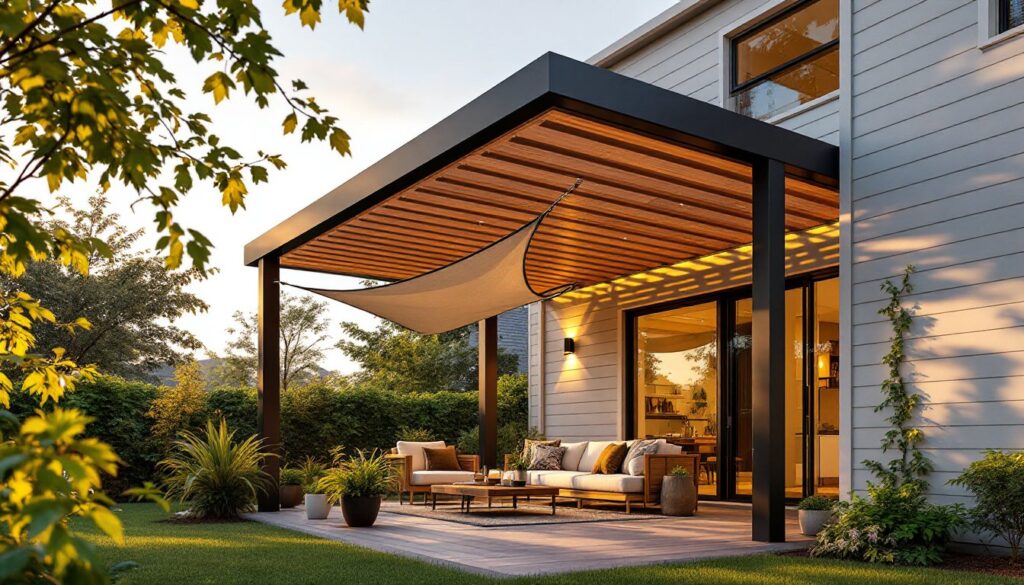
Clean-lined pergolas work best with modern siding and horizontal roof overhangs. Think slatted aluminum or pressure-treated lumber rafters set at uniform spacing (typically 12–18 inches on center) with no ornamental bracing. The aesthetic relies on proportion and restraint, not detail.
Wood options include cedar or composite decking-grade lumber (2×6 or 2×8 rafters) finished in natural stain or matte black paint. Aluminum is lightweight and requires minimal maintenance, no staining or sealing, but costs more upfront. A minimalist frame anchors to the home’s ledger board with ½-inch galvanized bolts spaced 16 inches apart, meeting IRC standards for load transfer. Posts are often omitted or kept minimal (4×4 or thinner square tubes) where the span allows.
The payoff: a clean shadow line at dawn and dusk, simple sightlines, and a structure that vanishes into your home’s envelope rather than announcing itself.
Metal Frame Pergolas For Sleek Aesthetics
Steel and aluminum frames deliver contemporary flair and superior load capacity. Welded steel (powder-coated black or bronze) offers industrial precision and can span wider distances with fewer posts than wood. Aluminum extrusions are lighter, don’t rust, and suit modern coastal homes or low-maintenance yards.
Metal pergolas attached to brick or stone homes anchor into the mortar or foundation with through-bolts and structural fasteners rated for your local wind and snow loads. You’ll typically need an engineer’s stamp if attaching to a masonry wall or if your region sees heavy snow: costs run $300–$800 for a design review. A 4×10-foot steel pergola weighs roughly 150–200 pounds, so a second pair of hands (or a contractor) is worth the effort during installation.
Metal frames pair beautifully with modern pergola ideas that emphasize geometry and shade control. Add motorized louvers, retractable shade fabric, or polycarbonate panels for weather protection.
Traditional Pergola Styles For Classic Appeal
Traditional pergolas feature exposed rafter tails, decorative brackets, and heavy timber joinery that read as part of the home’s existing architecture. Think Craftsman-era corbels, Victorian lattice, or Colonial symmetry.
Wood is the classic choice: pressure-treated 4×6 or 6×6 beams with 2×6 or 2×8 rafters, often finished in semi-transparent stain to show the grain. Rafter tails (the exposed ends extending past the house line) add character and typically overhang 12–24 inches. Decorative brackets underneath the beam-to-post connection aren’t just pretty, they signal structural support and distribute load visually and mechanically.
Attachment matters here too. Traditional pergolas scab a ledger board (doubled 2×12 or 2×10) directly onto the rim joist or band board of your home, secured with bolts every 16 inches and flashing underneath to shed water. Flashing is non-negotiable: water trapped behind a ledger causes rot and structural failure faster than any pest.
For colonial and farmhouse aesthetics, pair the pergola with lattice infill, either as full panels between rafters or partial screens for wind breaks. A traditional look also plays well with raised gardens, climbing vines (clematis, wisteria), and rustic seating. Homeowners pursuing country-style pergolas often find inspiration in Country Living’s rustic design galleries.
Creating Shade And Outdoor Living Spaces
Raw timber or aluminum rafters let 50–70% of sunlight through, ideal for dappled shade without a cave. If you need denser coverage, layer on shade solutions.
Fabric shade sails attach to pergola corners and perimeter posts, angling up to 45 degrees to block afternoon sun. Expect to pay $200–$600 for a quality sail rated for wind load: they’re removable, washable, and adjustable season-to-season. Polycarbonate or clear acrylic panels (3–10 mm thickness) offer weather protection and UV screening, handy for a pergola over a seating nook or grill island. These run $8–$15 per square foot installed.
Climbing vines create living shade and require structural support: add horizontal or diagonal wires between rafters for clematis, roses, or hops to cling. Vines mature slowly (2–3 years for full coverage on some varieties), so patience and annual pruning are part of the deal. Avoid aggressive growers like ivy on timber structures, roots can infiltrate mortar and siding.
Layout matters too. Orient the pergola’s rafter direction (east-west or north-south) based on sun angle and how you’ll use the space. An afternoon shade zone over a west-facing patio needs denser coverage than a breakfast area on the east. Most homeowners benefit from consulting Better Homes & Gardens design galleries to visualize how light moves through their yard across seasons.
Functional Features To Enhance Your Pergola
Beyond shade, attached pergolas earn their footprint by housing utilities and amenities.
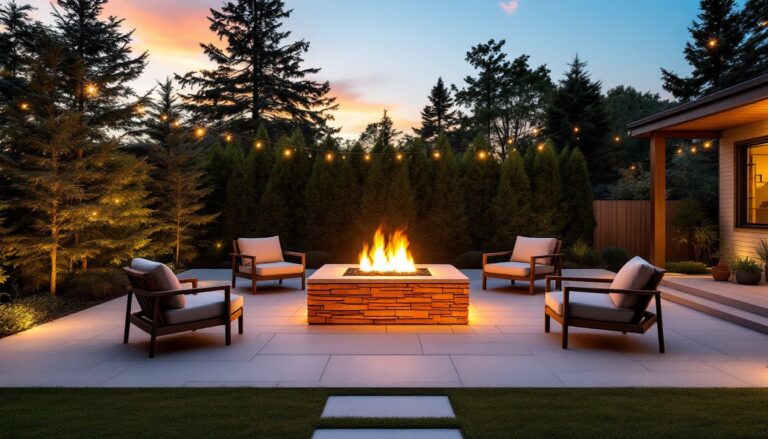
Integrated lighting transforms a pergola into an evening gathering spot. String lights (Edison bulbs or café-style) cost $30–$80 and tack to rafters: hardwired LED recessed fixtures ($100–$300 per fixture) demand a licensed electrician and possibly a permit. Run conduit through rafters if you’re considering future upgrades, it’s cheap now, expensive later.
Water management is crucial on wood structures. A drip-edge flashing at the ledger deflects water down and away from the house siding. Gaps between rafters or under lattice panels can channel rain toward your foundation: slope the structure slightly (1 inch drop per 8 feet of run) or add gutters along the back edge if rain runoff is a concern.
Overhead outlets (weather-rated, GFCI-protected) near a pergola let you run a ceiling fan, heat lamp, or speaker without extension cords snaking across the yard. Plan this during rough framing before decking the rafters, costs roughly $150–$300 per outlet installed.
Retractable screens or shade systems (motorized louvers, roller shades, or pop-up mosquito screens) add $1,500–$4,000 but expand the pergola’s season. Motorized versions often include rain sensors that auto-close before a downpour.
Maintenance: Wood pergolas need annual inspection for rot, loose fasteners, and pest damage. Plan to re-stain or seal every 2–3 years. Metal structures need less fuss, the occasional wash and touch-up paint, but corrosion can develop in salty or humid climates.
Conclusion
An attached pergola is an extension of your home’s structure and character, not just a shade device. Whether you choose minimalist aluminum, traditional timber with rafter tails, or a hybrid approach with shade fabric and vines, the design should reflect your home’s architecture, your climate, and how you actually use your yard. Start with a clear attachment plan, respect local building codes, and don’t skimp on flashing or bolts, that’s where most pergola projects age well or fail. With the right design and maintenance routine, your pergola will be the outdoor room where your family gathers for decades.