






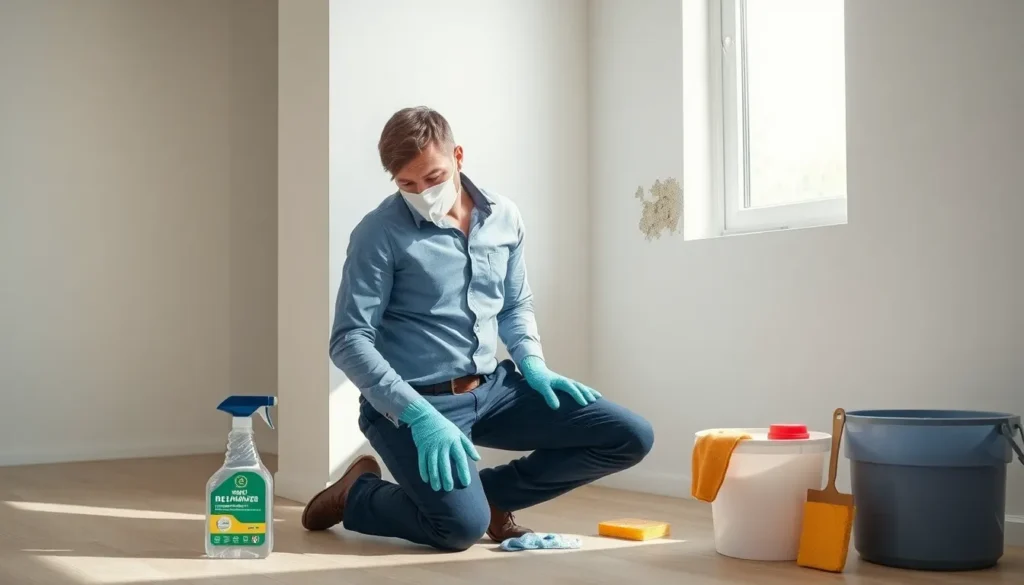
Mold on drywall is something every homeowner dreads, a silent yet stubborn pest that wreaks havoc without knocking. Left unchecked, it can turn your beautiful walls into a breeding ground for health issues and structural damage. Fear not. In this guide, you’ll discover how to combat this unwanted house guest with confidence. Mold removal may sound like a challenging job, but armed with the right knowledge and tools, it can be as easy as digging into that neglected corner of your garage (okay, maybe not that easy). So, grab your gloves and let’s jump into how to treat mold on drywall like a pro.
Understanding Mold Growth

Mold is a type of fungus that thrives in damp environments. It reproduces by releasing spores into the air, which can be carried by air currents or attached to surfaces. When these spores settle in a suitable environment, preferably warm and humid, watch out. They can develop into visible mold patches within 24 to 48 hours. This rapid growth rate is what makes understanding the conditions conducive to mold paramount in managing it effectively.
Common Causes of Mold On Drywall
Several factors contribute to mold growth on drywall. Here are the most common culprits:
- Moisture: Any source of water, leaky roofs, storm drainage issues, or even household humidity, can create a perfect breeding ground.
- Temperature: Mold loves warmth, especially when humidity levels rise. The ideal temperature range for mold is between 77°F and 86°F.
- Poor Ventilation: Inadequate air flow in areas like bathrooms, laundry rooms, or basements can trap moisture, leading to mold growth.
- Condensation: This can occur on cold surfaces such as windows and pipes, dripping water onto surrounding drywall.
By addressing these issues, homeowners can significantly reduce the likelihood of mold festering in their spaces.
Identifying Mold on Drywall
Identifying mold on drywall requires a keen eye. Typically, mold appears as black, green, or white patches. It often has a fuzzy or slimy texture. If the area feels particularly damp or musty, that’s a strong indicator that mold might be lurking nearby. Pay particular attention to corners, behind furniture, and other areas that often stay moist. Besides, if anyone in the household experiences allergy symptoms, think sneezing, coughing, or a runny nose, mold could be the rear intruder that’s causing discomfort.
Preparation for Mold Removal
Before diving into mold removal, preparation is key.
- Gather Your Supplies: Equip yourself with gloves, a mask (preferably an N95 respirator), sponges, a scrub brush, and cleaning solutions like vinegar or commercial mold removers.
- Protect Your Space: Cover surrounding furniture and floors with plastic sheets to protect them from mold spores and dust.
- Ventilate the Area: Open windows and doors if possible to ensure fresh air circulation. Consider using fans to help the drying process after cleanup.
- Assess Damage: Determine how deep the mold has penetrated the drywall. If it’s just on the surface, you can usually remedy it. If the damage is extensive, replacement of drywall may be necessary.
Steps to Remove Mold From Drywall
Here’s a step-by-step process for effectively removing mold from drywall:
- Dampen the Area: Lightly moisten the moldy area with water to prevent spores from becoming airborne during cleaning.
- Scrub Off the Mold: Using a sponge or brush and a cleaning solution, scrub the moldy surface. Make sure to apply firm pressure.
- Rinse and Dry: After scrubbing, wipe the area with a clean, damp cloth and let it dry thoroughly.
- Seal the Area: Once completely dry, you might consider sealing the drywall with a mold-resistant primer to discourage future growth.
- Dispose of Cleaning Materials: Dispose of any used sponges or cloths in sealed bags to prevent spreading spores.
Preventing Future Mold Growth
After you’ve tackled the existing mold, it’s time to prevent it from returning.
- Control Humidity Levels: Use dehumidifiers in damp areas and aim to keep humidity levels below 60%.
- Improve Ventilation: Install exhaust fans in moisture-prone areas like kitchens and bathrooms to enhance airflow.
- Fix Leaks Promptly: Address any plumbing issues immediately to avoid moisture buildup.
- Conduct Regular Inspections: Make routine checks for any signs of mold or moisture, especially in hidden spots like behind appliances or under sinks.
When To Call a Professional
While many mold issues can be solved with DIY methods, sometimes it’s best to call in the experts.
- Extensive Damage: If the mold covers a large area (more than 10 square feet) or is growing inside walls or ceilings, professional remediation may be necessary.
- Health Concerns: Individuals with allergies, asthma, or compromised immune systems may benefit from professional help to ensure thorough removal and safety.
- Unidentified Sources: If mold keeps returning even though your efforts, the underlying issue may be more complex, warranting professional attention.