





A dull knife is like a bad joke—nobody wants it around. If you’ve ever wrestled with a tomato that just wouldn’t cooperate or tried to slice bread only to end up with crumbs, you know the struggle is real. Fortunately, sharpening a knife at home is easier than finding a decent pun. With just a few simple tools and techniques, you can turn your kitchen blade from a butter knife wannabe into a precision cutting machine.
Understanding Knife Sharpness
Knife sharpness plays a crucial role in kitchen efficiency and safety. Understanding it ensures that each cut is precise and effortless.
Importance of a Sharp Knife
A sharp knife greatly enhances cooking experience. Efficient cutting saves time during meal preparation. Safety increases with a sharp edge because it requires less force, reducing the risk of slips. Quality control in food presentation also improves with sharp knives, ensuring even slices and clean cuts. Regularly maintaining knife sharpness prolongs the tool’s life. An investment in sharp knives provides long-term savings on replacements and professional sharpening services.
Signs Your Knife Needs Sharpening
Dull knives exhibit several clear indicators. Difficulty in slicing through foods like tomatoes or bread suggests a need for sharpening. Increased pressure to cut implies edge dullness. If food sticks to the blade during cutting, that’s another sign. Noticeable nicks or damage along the edge require attention as well. Regular use inevitably leads to a loss of sharpness, so observing these signs regularly is essential for optimal performance. Keeping knives sharp leads to happier, more productive cooking experiences.
Tools Needed for Sharpening
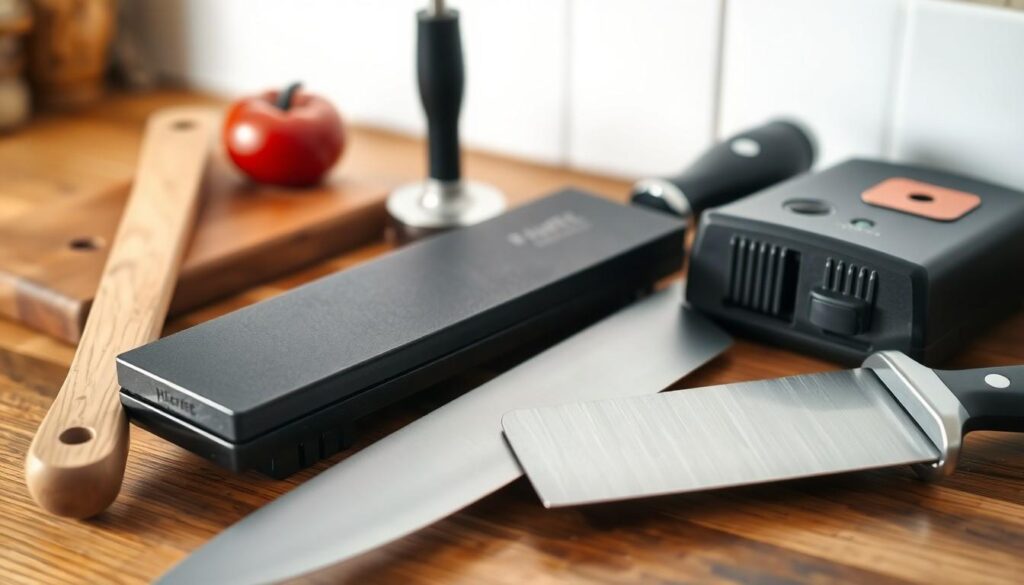
Having the right tools simplifies the knife sharpening process. Various options exist depending on preference and skill level.
Different Types of Sharpeners
Manual sharpeners come in two primary types: whetstones and honing rods. Whetstones provide an effective way to create a sharp edge, while honing rods maintain the existing sharpness. Electric sharpeners offer a user-friendly solution for quick sharpening sessions. Each type has unique advantages, suited to different sharpening needs. Some professionals prefer whetstones for their versatility, while casual cooks might choose electric versions for convenience.
Choosing the Right Tool for Your Knife
Selecting the appropriate sharpener depends on the knife blade type. Chef knives and paring knives often benefit from whetstones or honing rods. Serrated knives require specialized sharpeners designed specifically for their unique edges. Compatibility between the knife and the sharpener plays a crucial role in achieving optimal results. Budget considerations also shape choices; quality sharpeners vary widely in price, often affecting durability and efficiency. Prioritize tools that match your culinary tasks to ensure the best performance.
Step-by-Step Guide to Sharpening a Knife at Home
Sharpening a knife at home involves a few straightforward steps. Preparation and technique are crucial for effective results.
Preparing Your Workspace
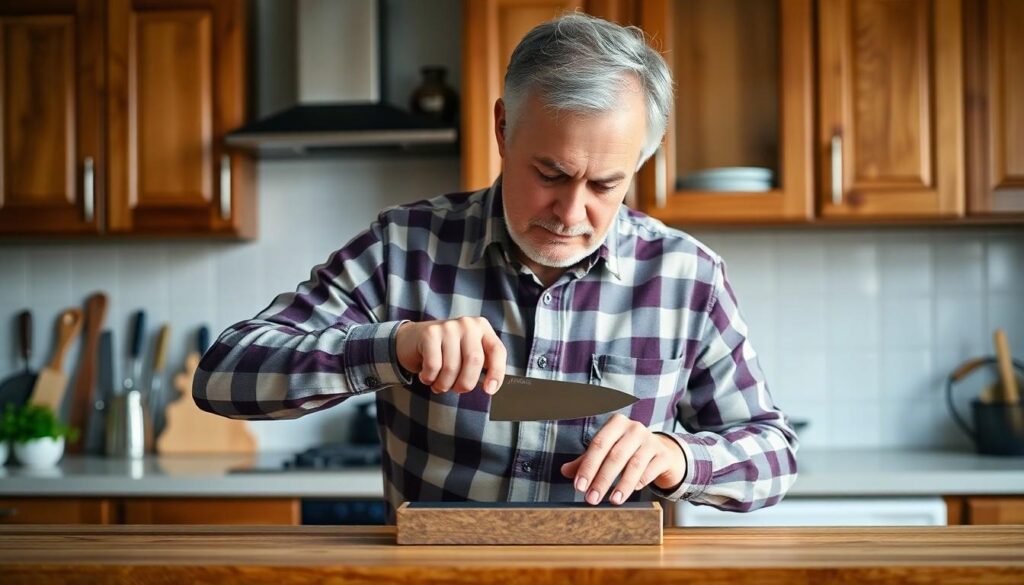
Clear a flat, stable surface for sharpening. Ensure proper lighting to see the blade’s edge clearly. Gather necessary tools, such as a sharpening stone, honing rod, or electric sharpener. Place a damp cloth under the stone for stability. Organize everything within reach, allowing smooth workflow during the process. Finally, wear protective gloves to safeguard against accidental cuts.
Sharpening Techniques
Different techniques suit various sharpeners. For whetstones, maintain a consistent angle between 15 to 20 degrees. Start with the coarser side, moving the blade along the stone in a sweeping motion. Alternate sides to achieve an even edge. When using a honing rod, hold the rod vertically, and draw the knife down along the rod, again maintaining that same angle. If opting for an electric sharpener, follow the manufacturer’s instructions for safety and effectiveness. Each method enables the creation of a sharp, functional blade, enhancing overall kitchen performance.
Safety Tips While Sharpening
Safety is crucial when sharpening a knife at home. Proper precautions can prevent injuries and enhance the sharpening experience.
Proper Hand Placement
Keep fingers away from the blade’s path to avoid accidents. Hold the knife firmly by the handle, ensuring a secure grip. Position the other hand on the spine of the knife, helping control the angle during sharpening. Using a stable surface helps stabilize the knife and reduces the risk of slips. Clarity in hand placement ensures safer handling, making the process smoother and more efficient.
Keeping Your Workspace Clean
Maintain a clean workspace to prevent accidents during knife sharpening. Clear away debris and materials that could obstruct the sharpening area. Wipe down surfaces to remove any slippery substances, reducing the chances of mishaps. Keep the sharpening tool within reach but organized, avoiding unnecessary clutter. An orderly environment promotes focus and safety, making the knife sharpening process more direct and effective.
Sharpening a knife at home is an essential skill that every cook should master. With the right tools and techniques anyone can maintain their kitchen knives for optimal performance. Regular sharpening not only enhances safety and efficiency but also elevates the quality of food preparation.
By recognizing the signs of a dull blade and knowing how to use various sharpening tools readers can ensure their knives remain in top condition. A little effort goes a long way in prolonging the life of kitchen tools and improving the overall cooking experience. Embracing this simple practice will lead to more enjoyable and productive time spent in the kitchen.