





Picture this: you finally have a serene Saturday all planned out, paintbrush in hand, ready to unleash your inner Picasso. But wait, what’s this? Brush strokes invading your masterpiece like uninvited guests? Frustration sets in, and you wonder if your dream of a flawless finish is forever out of reach. Fear not, dear reader. By the end of this article, you’ll be equipped with the knowledge to glide over that canvas with the grace of a swan, leaving behind an exceptionally smooth finish, no brush strokes in sight.
Understanding Brush Strokes
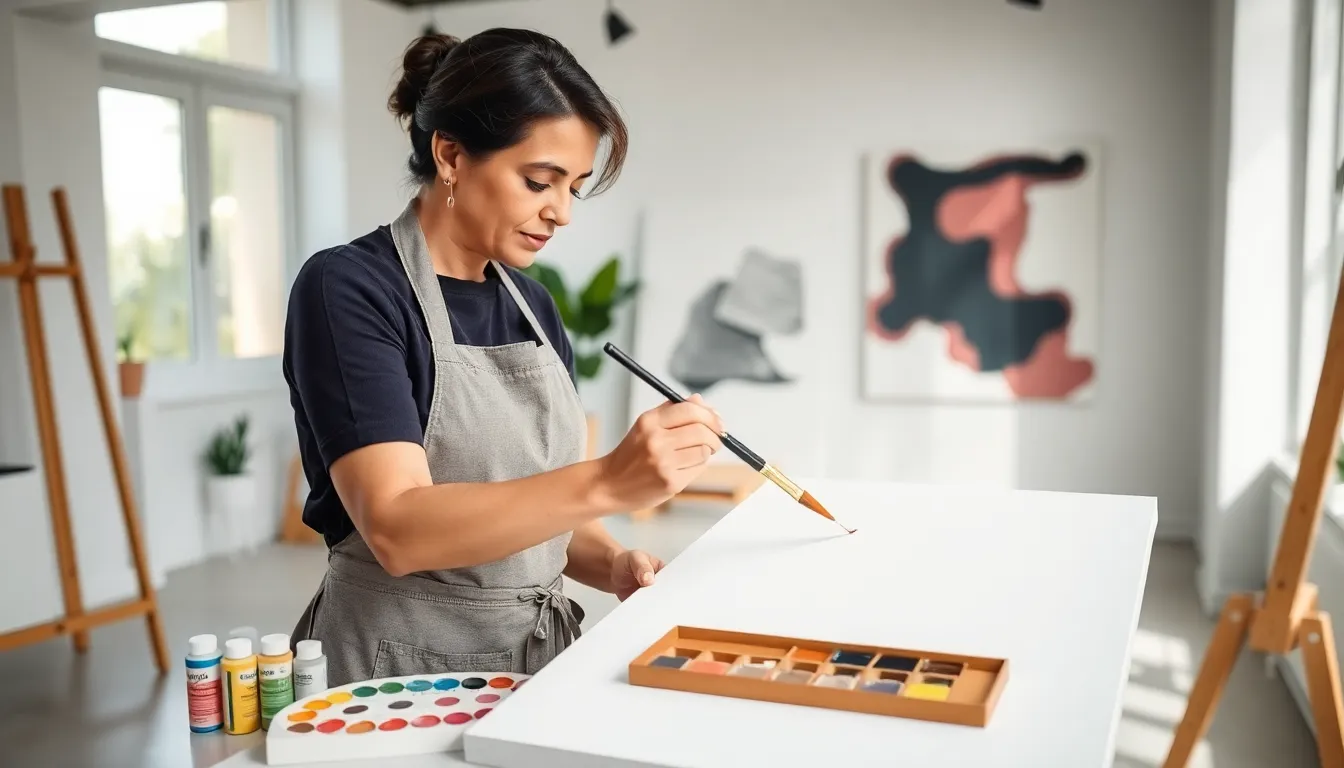
Brush strokes happen when the paint doesn’t cooperate with your brush, and suddenly, you’re left with a textured finish instead of the sleek surface you envisioned. The key here lies in understanding your medium. Different types of paint, like acrylics, oils, or watercolors, have unique behaviors. Acrylics dry quickly, which can sometimes leave brush strokes if not managed well, while oils take their sweet time to dry, allowing for some blending but also leaving room for a messy finish if not applied correctly.
Also, the surface you’re painting on plays a crucial role. A smooth canvas will yield a different result than a textured one. It’s essential to select your base wisely, as it can be the difference between a silky application and a rugged outcome. Since understanding the underlying mechanics of paint application can transform a novice into a pro, recognizing the characteristics of your materials is the first step to achieving that flawless finish.
Factors That Contribute to Brush Strokes
Several factors come into play when it comes to those pesky brush strokes that seem to plague your artwork. Firstly, paint viscosity is a big contributor. Thick, gooey paint may seem luscious at first, but it can dry too quickly and leave those fateful strokes to haunt you. On the other hand, overly thinned paint can lead to runny issues that cause more harm than good. Finding that sweet spot is essential.
Temperature and humidity are sneakier culprits. If the weather is particularly hot or dry, paint can dry too quickly, leading to all sorts of brush marks. Conversely, in high humidity, paint can take its time, allowing more opportunities to blend effectively. Then there’s the size of the brush. Using a brush that’s too big for detailed work can leave odd streaks where they shouldn’t be. On the flip side, tiny brushes can take forever to cover large areas.
Choosing the Right Tools
The tools of the trade play a vital role in achieving a smooth finish. First up, brushes: soft, high-quality bristles can help minimize strokes. Synthetic brushes are well-suited for acrylics, while natural bristle brushes excel with oils. Each type has its advantages, and choosing the right brush can make all the difference.
Next, consider the use of rollers, especially for large flat surfaces. They can create an even layer of paint without the brush strokes typical from manual application. But don’t forget about paint quality. High-quality paints often self-level, meaning they will spread out and fill in imperfections better than lower-quality options. Investing in good paint can save a lot of touch-up time down the road.
Techniques for Smooth Application
Several techniques can lead to a smooth finish without the hassle of brush strokes. First, always paint in the same direction: this creates a more uniform look. Whether it’s left to right or up and down, consistency is crucial. If layering is necessary, a light touch with gentle strokes will allow the lower layers to remain intact, reducing unwanted texture.
Another effective method is to employ glazing. This involves applying a thin, transparent layer of paint over a dried layer. Not only does this technique add depth to your work, but it can also hide imperfections and brush strokes from previous layers. Also, experimenting with a stippling technique, dabbing the brush instead of sweeping it, can also yield a soft finish, particularly for textured surfaces.
Correcting Existing Brush Strokes
Encountering brush strokes after you thought the job was done? Fear not: there are ways to remedy this mistake. One commonly used method is to sand down the surface gently after the paint has fully dried. Using fine-grit sandpaper, it is possible to smooth out any problematic areas. Just be sure to wipe off any dust before applying a touch-up coat.
Another option is using a blend of paint and a bit of water or a medium if the initial application was too thick. Apply a thin layer to help even out the texture. This tip works wonders for the dreaded accent marks left behind.
Tip for Beginners
For those just starting out, the trick to mastering smooth painting is practice, practice, practice. Don’t shy away from experimenting with various tools and techniques. Something as simple as adjusting the pressure applied to the brush can significantly impact the outcome. Besides, working on smaller test boards can help build confidence before tackling a larger canvas. Remember, painting is about both mastery and enjoyment, so embrace your creativity and flow.