






Imagine transforming ordinary garlic into a culinary superstar right in your kitchen. Black garlic, with its sweet, tangy flavor and striking color, is like garlic’s cool, mysterious cousin who shows up at the family reunion and steals the spotlight. Not only does it elevate dishes, but it also packs a health punch that’ll make your immune system do a happy dance.
Making black garlic at home is easier than you might think. With just a little patience and a few simple steps, you can impress friends and family with this gourmet ingredient. Forget the overpriced gourmet shops; it’s time to unleash your inner chef and create a flavor sensation that’ll have everyone asking, “What’s your secret?” Get ready to dive into the world of black garlic and discover how this simple ingredient can transform your cooking game.
Understanding Black Garlic
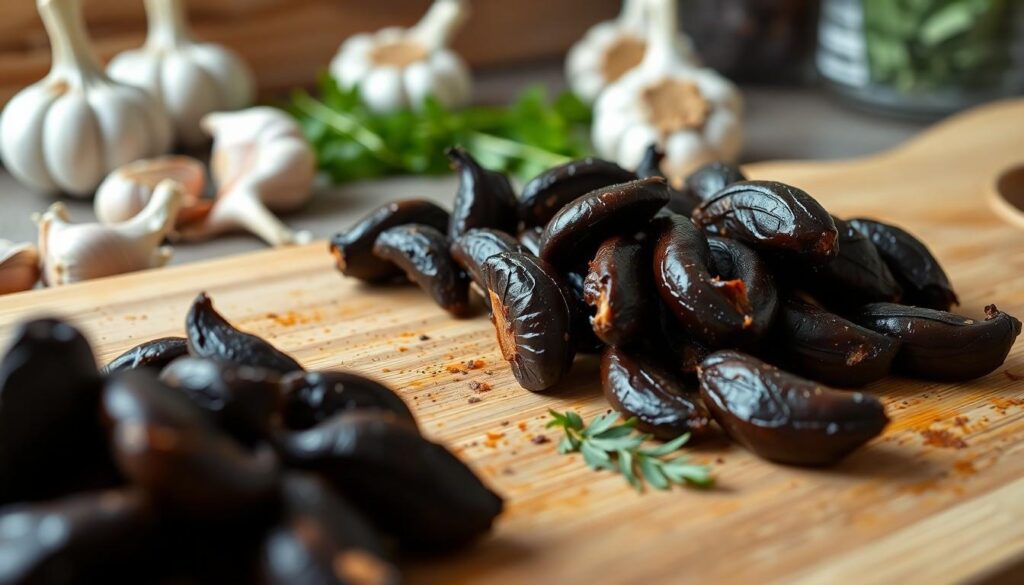
Black garlic stands out as a unique culinary ingredient known for its sweet and tangy flavor profile. This distinctive taste results from a fermentation process that transforms raw garlic cloves. The cloves undergo a Maillard reaction during this process, creating a dark, soft texture and complex flavors while removing harshness.
Nutritional benefits accompany black garlic, including high antioxidant levels. These antioxidants contribute to improved heart health, enhanced immunity, and anti-inflammatory properties. Studies indicate that the compounds in black garlic can support overall wellness, making it a beneficial addition to a balanced diet.
Cooking with black garlic adds a gourmet touch, elevating dishes like sauces, dressings, and spreads. Its versatility extends to both savory and sweet recipes, encouraging creativity in meal preparation. Chefs appreciate black garlic for its ability to enhance flavors without overpowering other ingredients.
Storing black garlic requires careful attention to preserve its distinctive characteristics. Keeping it in a cool, dark place can prolong its shelf life, while refrigeration may extend freshness. When closed in an airtight container, black garlic maintains its quality for several weeks.
Understanding black garlic reveals its culinary potential and health benefits. Anyone interested in enhancing their cooking can explore various applications, making it a valuable addition to any kitchen.
Benefits of Black Garlic
Black garlic offers a range of benefits that enhance both culinary experiences and health. Its unique fermentation process boosts its nutritional value, making it a sought-after ingredient.
Nutritional Profile
Black garlic contains essential vitamins, minerals, and antioxidants. Key components include vitamin C, vitamin B6, and manganese. Each clove packs around 15 calories, making it low in calories while providing health-promoting elements. Its antioxidant capacity is notable, containing more than raw garlic, which helps combat oxidative stress. This nutritional richness supports overall well-being and enhances dietary variety.
Health Benefits
Black garlic contributes significantly to heart health by promoting blood circulation and reducing cholesterol levels. Studies show its ability to support immune function due to high antioxidant levels. Anti-inflammatory properties also play a vital role, potentially reducing the risk of chronic diseases. Regular consumption may improve digestion, as it contains prebiotics that foster gut health. Additionally, studies indicate it may have antimicrobial effects, combating various pathogens effectively.
Ingredients Needed
Making black garlic at home primarily requires garlic as the main ingredient, along with specific tools for the process. Here’s what’s essential.
Choosing the Right Garlic
Selecting high-quality garlic is crucial. Look for firm, unblemished heads of garlic, as these provide the best flavor. Many people prefer using whole bulbs of Asian or Italian garlic varieties, known for their robust taste and aroma. Fresh garlic typically contains higher levels of sulfur compounds, which contribute to the fermentation process. Avoid any garlic that appears soft or sprouted; these may not yield desirable results in flavor and texture.
Tools Required
Gathering the right tools makes the process easier. A rice cooker or slow cooker often works best for maintaining stable, low temperatures during fermentation. Additionally, a kitchen scale helps ensure accurate measurements of garlic and monitor the fermentation time. Using a timer assists in tracking the 3 to 4 weeks required for proper fermentation. An airtight container is essential for storing black garlic, preserving its unique flavor and texture after the process is complete.
Step-by-Step Process
Making black garlic at home involves a few simple steps to achieve its unique flavor and texture. The process requires careful preparation, fermentation, and monitoring.
Preparing the Garlic
Selecting high-quality garlic plays a crucial role in the final product. Choose firm, unblemished heads preferably from Asian or Italian varieties. Remove excess skins and any damaged cloves to ensure optimal fermentation. The garlic should remain intact throughout the process. Aim to work with whole bulbs instead of individual cloves, maintaining the garlic’s natural moisture.
Fermentation Method
Utilizing a rice cooker or slow cooker creates the perfect environment for fermentation. Ensure the temperature stays between 140°F and 190°F. Place the garlic bulbs inside without overcrowding them, allowing for airflow. Cover the appliance but avoid sealing it completely, as some moisture should escape. Set the timer for 3 to 4 weeks, adjusting based on your preferred flavor intensity. Consistency in temperature is critical for the right transformation.
Monitoring the Process
Regular checks on the garlic maintain progress during fermentation. Each week, observe the color change from white to a deep black and the texture becoming soft and tender. Note any changes in the smell as it evolves into a sweet, tangy aroma. A gentle squeeze will indicate readiness; they should feel sticky yet firm. If the garlic appears dry or moldy, adjust the conditions accordingly, as humidity affects fermentation outcomes.
Tips for Success
Choose high-quality garlic bulbs to ensure the best results. Firm and unblemished garlic heads provide optimal flavor and texture. Select varieties like Asian or Italian, as they yield superior outcomes.
Maintain a consistent fermentation temperature ranging from 140°F to 190°F. This temperature range is crucial for the Maillard reaction, which transforms raw garlic into its sweet, tangy form. Use a reliable rice cooker or slow cooker to keep the environment stable.
Monitor the garlic regularly during the 3 to 4 weeks of fermentation. Observing color and texture helps determine readiness. Changes in aroma also indicate progress, guiding her through the fermentation process.
Store black garlic properly to retain its unique qualities. An airtight container keeps moisture out and flavor intact, prolonging freshness. Keeping it in a cool, dark place enhances shelf life, allowing for longer usage.
Experiment with various dishes using black garlic for maximum enjoyment. Adding it to sauces, dressings, or spreads enhances both savory and sweet recipes. Creativity with this ingredient leads to delightful culinary experiences.
Be patient throughout the process. Fermentation takes time, but the rich flavor and health benefits make it worthwhile. Regular consumption may offer numerous advantages, such as heart health support and enhanced immunity.
Making black garlic at home opens up a world of culinary possibilities. With just a few ingredients and a bit of patience anyone can create this flavorful ingredient that enhances dishes while providing numerous health benefits. The fermentation process transforms raw garlic into a sweet and tangy delight that not only elevates meals but also supports overall well-being.
By following the outlined steps and tips readers can enjoy the satisfaction of crafting their own black garlic. Proper storage ensures the unique qualities are preserved allowing for experimentation in various recipes. Embracing this gourmet addition not only enriches cooking skills but also introduces a nutritious element to everyday meals.