





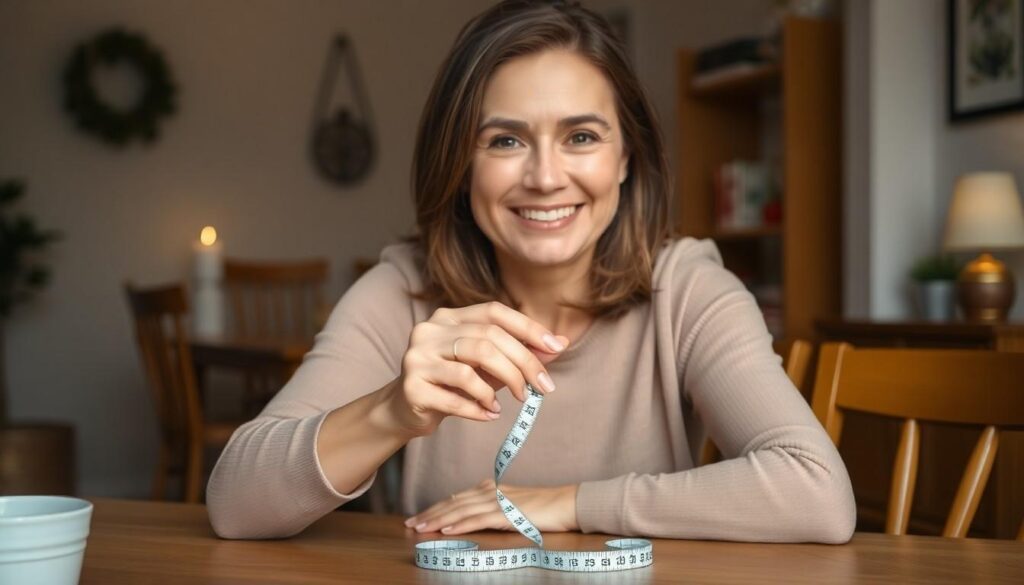
Finding the perfect ring size can feel like a treasure hunt, but without the map—or the pirate! Whether it’s for a dazzling engagement ring or a fabulous fashion statement, knowing your size is key to avoiding the dreaded “too tight” or “too loose” scenarios. Who wants to be that person awkwardly shoving a ring on their finger like it’s a stubborn jar lid?
Tools You Need to Measure Your Ring Size
Measuring your ring size accurately at home requires simple tools. Each tool plays a specific role in ensuring a precise measurement.
Measuring Tape
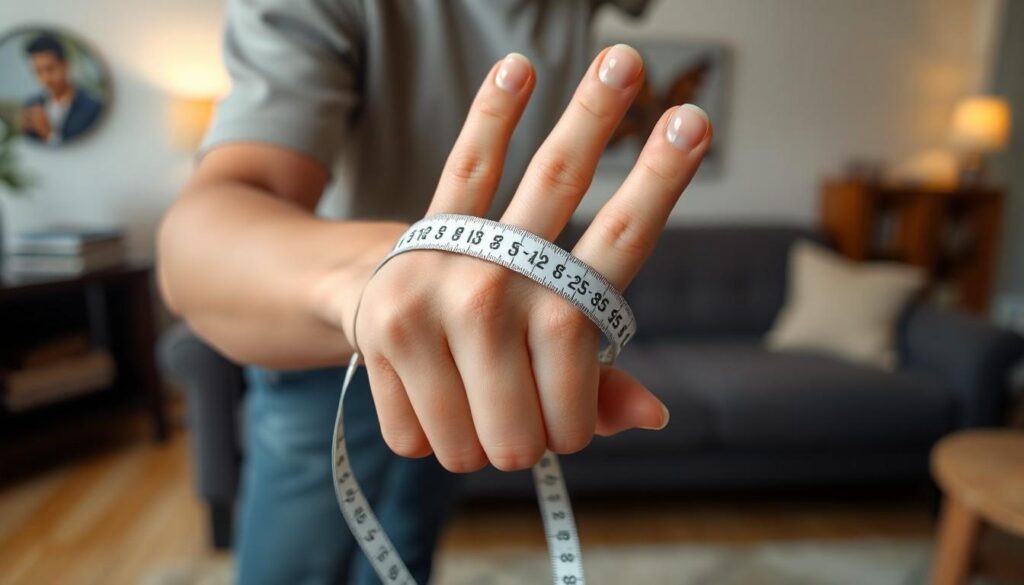
A measuring tape offers an easy way to find ring size. Flexible cloth or plastic tapes work best for wrapping around the finger. To measure, simply place the tape around the base of the finger, ensuring a snug fit without tightness. Read the number where the tape overlaps, which indicates the diameter in millimeters. Take care to measure at the end of the day when fingers are larger.
String or Paper Strip
Using string or a strip of paper can also yield accurate measurements. Cut a piece roughly six inches long. Wrap it around the base of the finger, marking the point where it overlaps. Measure the marked length against a ruler, converting that length into millimeters. Ensure comfortable tightness around the finger without constricting it. This method works well if a measuring tape isn’t available.
Ring Sizing Chart
Ring sizing charts provide a visual reference for determining size. Many charts are accessible online, showing diameter and circumference in millimeters. To use, match the diameter of your finger to the corresponding size on the chart. It’s essential to check multiple charts, as sizes can vary across different brands. Ensure consistency by measuring your finger multiple times before confirming your size.
Methods to Determine Your Ring Size
Finding the correct ring size involves easy methods that anyone can do at home. Various techniques help ensure an accurate measurement.
Measuring Your Finger
Start by using a measuring tape, wrapping it around the finger to determine the circumference. Ensure the tape fits snugly but doesn’t pinch the skin. Note the measurement in millimeters for accuracy. If a measuring tape isn’t available, string works effectively too. Wrap a piece of string around the finger, mark the point where it meets, and measure that length with a ruler. Measure fingers at the end of the day when they’re most likely to be larger. This timeframe provides a more realistic size.
Measuring a Current Ring
Using a current ring makes sizing straightforward. Select a ring that fits comfortably on the desired finger. Measure the inside diameter of the ring with a ruler for precision, ensuring the ruler crosses the widest part of the inner ring. Note this measurement in millimeters. Compare the diameter with a ring sizing chart to find the appropriate size. This method is efficient as it directly correlates to known sizes, helping identify the right fit effortlessly.
Tips for Accurate Measurements
Accurate measurements ensure a perfect ring fit. Avoiding common mistakes significantly enhances the process.
Avoiding Common Mistakes
Using the right tools minimizes errors. Measuring the finger at different times might yield varied results, so consistency matters. Forgetting to account for swelling is another common pitfall; this can lead to sizes that feel too tight. Always measure in a relaxed state for the most reliable results. Additionally, ensure the measuring tape or string fits snugly without pinching skin, as loose measurements can lead to incorrect sizing. Many choose to measure multiple times for confirmation. Taking a moment to double-check measurements can help validate accuracy.
Considering Temperature and Humidity
Temperature and humidity play a crucial role in determining finger size. Warm temperatures often cause fingers to expand, creating a larger size. In contrast, cold weather typically results in smaller fingers. Conducting measurements in a controlled environment helps yield consistent results. Humidity levels can influence the swelling of hands as well; during humid conditions, fingers might expand more. Try to measure on a day that reflects the normal conditions under which the ring will be worn. Being aware of these factors allows for a more precise understanding of ring sizing.
What to Do with Your Measurement
After measuring, knowing what to do next helps ensure a great fit.
Choosing the Right Size
Determine the closest size to your measurement using a sizing chart. Rounding up is preferred for comfort, especially if your measurement is in between sizes. Accuracy matters, so check multiple charts since brands may vary in sizing. Using consistent measuring times and conditions strengthens your results. If possible, try contacting a jeweler for professional assistance or confirmation. They can provide tailored advice based on your unique measurements.
Adjusting for Different Ring Styles
Ring width impacts how the ring feels on the finger. Wider bands typically require a slightly larger size, while thinner bands fit more snugly. For example, a comfort fit band might feel looser than a traditional style. Consider lifestyle factors, like activity level, when adjusting for fit. Individuals who work with their hands might prefer a slightly looser fit for comfort. If unsure, trying on similar styles can help visualize the best fit before making a purchase.
Finding the right ring size at home doesn’t have to be a daunting task. With simple tools like a measuring tape or string and a bit of patience, anyone can achieve an accurate measurement. It’s crucial to take the time to measure correctly and consider factors like finger swelling and temperature to ensure a comfortable fit.
Once measurements are taken, using a sizing chart can help pinpoint the ideal size. Rounding up for comfort is often a wise choice. For those uncertain about their measurements or looking for additional guidance, consulting a jeweler can provide valuable insights. Remember that a well-fitted ring not only enhances comfort but also adds to the joy of wearing it.