




When you think of Hawaii, what comes to mind? Gorgeous beaches, delicious poke, and, of course, those stunning landscapes. But hidden beneath the palm trees and sunshine lies a rich architectural heritage that tells the story of a unique culture and history. Hawaiian architecture isn’t just about aesthetics: it’s about resilience, innovation, and a deep connection to the land. So, let’s embark on a journey to explore the captivating world of Hawaiian architecture, where tradition meets modernity, and sustainability reigns supreme.
Historical Overview of Hawaiian Architecture
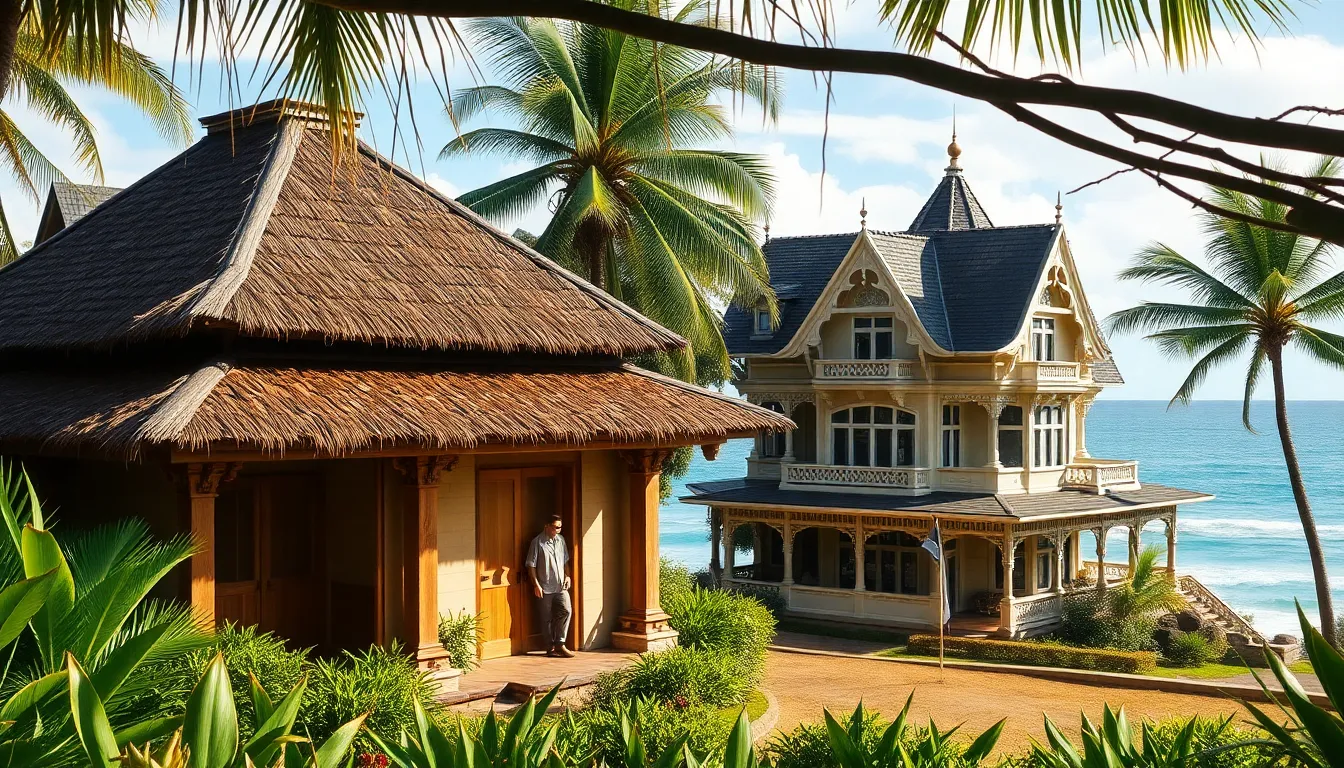
From ancient times to the present day, Hawaiian architecture has evolved in ways that reflect the islands’ tumultuous history and rich culture. Initially, structures were simple and functioned more as shelters than as statements of style. The ancient Hawaiians built their homes from readily available materials such as wood, thatch, and stones. These structures varied from the simple, single-room hale to the larger, more complex heiau, temples dedicated to Hawaiian deities.
As Western explorers began to arrive in the late 18th century, they introduced new building techniques and materials. This led to the incorporation of Victorian elements, which can still be seen in many structures today. These influences marked the beginning of a stylistic shift that intertwined traditional Hawaiian designs with Western elements, creating a unique blend that characterizes modern Hawaiian architecture.
Influences on Hawaiian Architectural Styles
The architectural styles of Hawaii are like a melting pot of cultures, reflecting the islands’ historical interactions with various groups. Indigenous Hawaiian practices laid the foundation, but foreign influences soon piled on, adding layers of complexity.
Missionary influences in the 19th century introduced new forms such as the wooden church and the plantation house, typically adorned with gingerbread trim and symmetrical facades. Also, Chinese, Japanese, and Portuguese immigrants brought their unique touches, enriching the landscape with tea houses, pagodas, and baked goods shops, all varying in style and function. This hodgepodge of influences didn’t just create homes but interesting stories as well, as each structure whispered secrets of the people who built them.
Key Features of Traditional Hawaiian Buildings
Traditional Hawaiian buildings are characterized by a few key features that speak volumes about the local environment and lifestyle. For starters, the hale is a fundamental structure. These open-air homes often have thatched roofs crafted from coconut fronds, a clever design that not only provides shelter but allows for airflow in the balmy Hawaiian climate.
Also, the use of natural materials is paramount. Builders often utilized locally sourced wood, thatch, and stone, creating both beauty and harmony with the surroundings. Another striking feature is the raised floors, which help promote airflow and protect inhabitants from flooding, a smart adaptation to the island’s sometimes tumultuous weather patterns. Altogether, these features highlight the remarkable ingenuity of traditional Hawaiian architecture.
Modern Adaptations of Hawaiian Architecture
Fast forward to today, and Hawaiian architecture has taken exciting turns with modern adaptations. Architects have begun to blend traditional styles with contemporary designs, resulting in stunning structures that pay homage to the past while embracing the future. Think sustainable practices mixed with sleek designs, where large glass windows invite in natural light and showcase the breathtaking views of the islands.
Besides, modern construction techniques have introduced resilience against natural disasters while prioritizing comfort. Thanks to innovative materials and design, contemporary Hawaiian homes can withstand hurricanes and earthquakes, melding functionality with aesthetics. In this way, Hawaiian architecture is continually adapting, each building tells a story of balance between respect for tradition and readiness for the future.
Sustainability in Hawaiian Architecture
Sustainability has become a prominent theme in Hawaiian architecture, with architects and builders prioritizing eco-friendly practices. This shift recognizes the unique challenges posed by climate change and the importance of preserving Hawaii’s natural beauty. Techniques such as utilizing locally sourced materials not only minimize environmental impact but also ensure that new structures are in harmony with their surroundings.
Rainwater catchment systems and solar panels are increasingly common, allowing homes to harness natural resources effectively. The push for sustainable design extends to landscaping, where traditional plants are used to maintain biodiversity. In essence, sustainability is more than a trend in Hawaiian architecture: it’s a vital part of the island’s ethos, protecting the land for future generations.
Cultural Significance of Hawaiian Architecture
Beyond mere function, Hawaiian architecture holds deep cultural significance. It embodies the values and beliefs of the people, acting as a canvas for expressions of identity and community. Traditional structures like the heiau serve as spiritual centers, reinforcing connections to the ancestry and the natural world.
Also, architecture becomes a celebration of Hawaiian culture, from structural designs to the patterns used in craftsmanship. Many buildings incorporate symbols and motifs that tell stories, often reflecting the islands’ rich mythology. This intricate relationship between culture and architecture forms the backbone of Hawaiian identity, a living tribute to the islands’ storied past.