







Ever wondered about the vibrant world of Aztec art and architecture? If you thought it was just about funky patterns and towering temples, think again. The Aztecs had designs so captivating that they still inspire artists and architects today. Join us on a colorful journey through the Aztec empire, where creativity was as abundant as the sunshine, and artistry thrived like a perfectly watered cactus. Get ready to unravel a tapestry woven from history, culture, and ingenuity.
The Origins Of Aztec Art
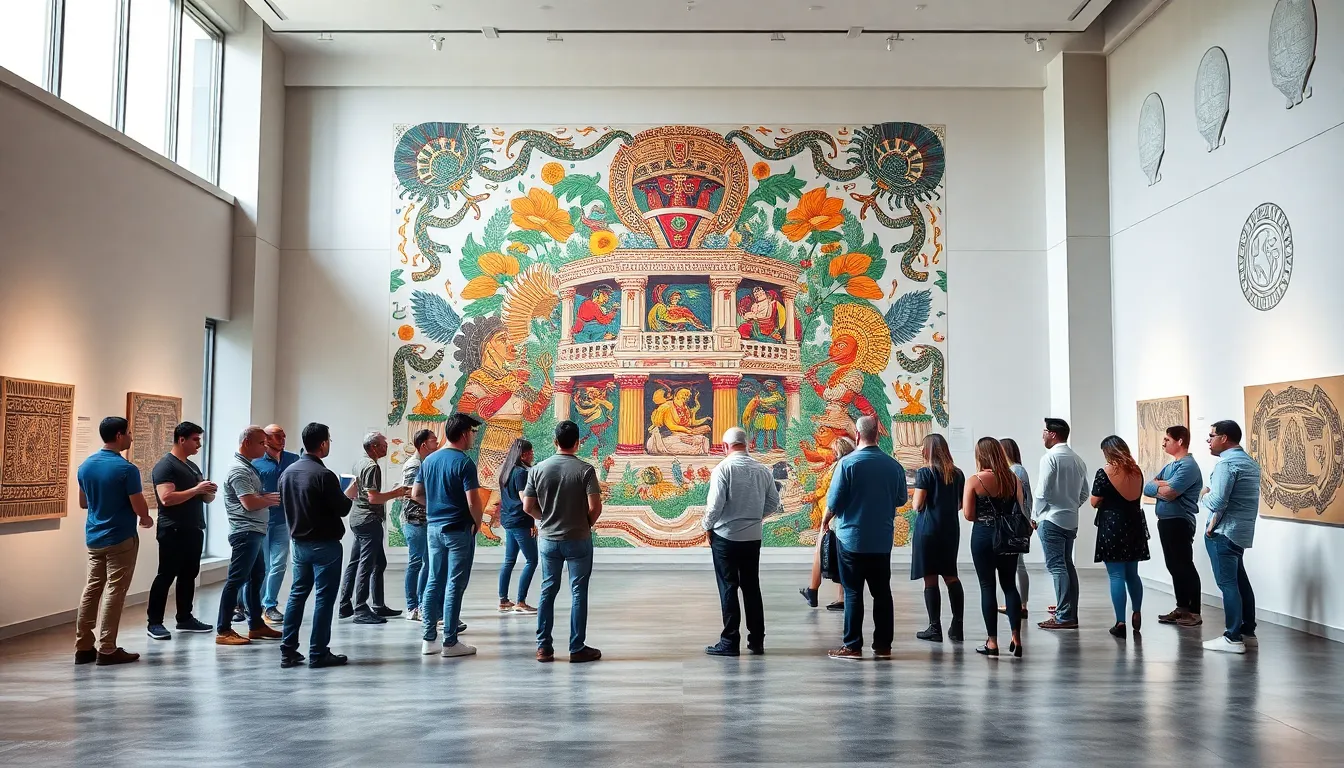
Aztec art traces its roots back to various cultures predating the empire, such as the Toltecs and the Olmecs. The fusion of these influences created a distinctive style known for its intricate designs and vivid colors. The artists of this period were not just craftsmen: they were skilled storytellers who used their work to convey religious beliefs, historical events, and societal norms. With the rise of the Aztec empire in the 14th century, artistic expression flourished, largely due to the patronage of noble families and the priesthood.
The Aztecs believed that their gods were omnipresent, and so their artistic endeavors were often connected to religious ceremonies. Themes of sacrifice, creation, and agriculture dominated their works, integrating spirituality with daily life. Through sculptures, pottery, and murals, the Aztecs chronicled their myths and legends while also depicting the natural world around them.
Key Characteristics Of Aztec Art
The hallmark of Aztec art lies in its boldness and symbolism. Expect vibrant colors, often featuring reds, yellows, and greens, used strategically to captivate and inspire. Shapes are not just random: geometric precision plays a significant role. You’ll find a mixture of realism and abstraction, where figures might be exaggerated for emphasis, after all, a warrior on a mural looks much cooler with a larger-than-life stature.
Also, the use of birds, serpents, and other elements from nature is prevalent, carrying meanings steeped in mythology. The Aztecs employed a technique called “fresco” painting, where they applied water-based colors on damp plaster, resulting in strikingly vivid artwork that has remarkably stood the test of time. Whether it’s a sculpture or a painted mural, there’s always a story behind it, wrapped in cultural significance.
Major Aztec Architectural Styles
Aztec architecture showcases a blend of primordial influences and unique innovations. Dominant structures across the empire highlight critical aspects of public and religious life.
Iconic Aztec Structures
Among the most famous architectural feats are the step pyramids, notably the Templo Mayor in Tenochtitlán. This temple showcased awe-inspiring terraces and was devoted to the gods Huitzilopochtli and Tlaloc. What’s remarkable is how these structures often served multiple purposes, temples, observatories, and ceremonial spaces all in one. It’s like a multi-functional community center but with a divine twist.
Temples And Religious Sites
The religious architecture of the Aztecs extends beyond just the grand pyramids. They also built elaborate altars and smaller temples, all intricately designed for various deities. The careful alignment with celestial bodies points to a culture deeply in tune with the cosmos. Each structure was layered with meaning, stepping onto these sacred grounds felt like walking into the heart of their universe.
Residential And Civic Architecture
While temples were the stars of the show, Aztec residential and civic architecture was equally significant, highlighting social organization and cultural values. Residential areas displayed an array of styles based on class and occupation, with the nobility residing in large, intricate houses made of stone or adobe.
Civic buildings like schools and marketplaces were structured to foster community interaction. Often featuring open spaces, these spots buzzed with activity, serving as hubs of trade and education. The layouts encouraged cooperation, ensuring that whether it was a bustling market or a serene school day, community spirit thrived, resonating with the very essence of Aztec society.
The Role Of Nature In Aztec Artistry
Nature was more than just a backdrop, it was the heartbeat of Aztec art. The Aztecs held a profound connection to the natural world, seeing life cycles reflected in their artwork. From the sun rising over a mural to flowers blooming across pottery pieces, every curve and line bore significance.
Floral patterns were popular, often symbolizing fertility, growth, and rebirth. The blending of human and natural forms can often be seen in Aztec art, as they strove to depict their environment cohesively. Whether it’s through the materials used in sculptures or the frequent themes found in their pottery, nature consistently played a pivotal role in creating an artistic identity that was rich and reflective of their surroundings.
Influence Of Aztec Art And Architecture Today
Fast forward to today, and Aztec art and architecture continue to inspire countless artists, designers, and architects. Elements of their style can be found within modern design and popular culture, with a fascination steadily growing in contemporary society.
The concept of using geometric patterns and symbols is prevalent in fashion, interior design, and even technology. Practitioners of various art forms are reviving traditional techniques, celebrating and preserving this ancient heritage for generations to come. Besides, the narrative aspects of Aztec art resonate with multicultural initiatives across the globe, promoting a rich understanding of history and culture.