







Imagine walking through a city where every building seems to express its own story, a world where curves and angles defy the ordinary. Welcome to expressionist architecture, a playful and innovative movement that emerged during the early 20th century. It’s about more than just aesthetics: it’s a captivating fusion of art and structure that evokes emotions and challenges perceptions. So why should you care? Well, whether you’re a design aficionado or someone who simply enjoys a good architectural Instagram post, understanding the essence of expressionist architecture can add a new layer to your appreciation of the built environment. Let’s immerse.
Historical Context of Expressionism
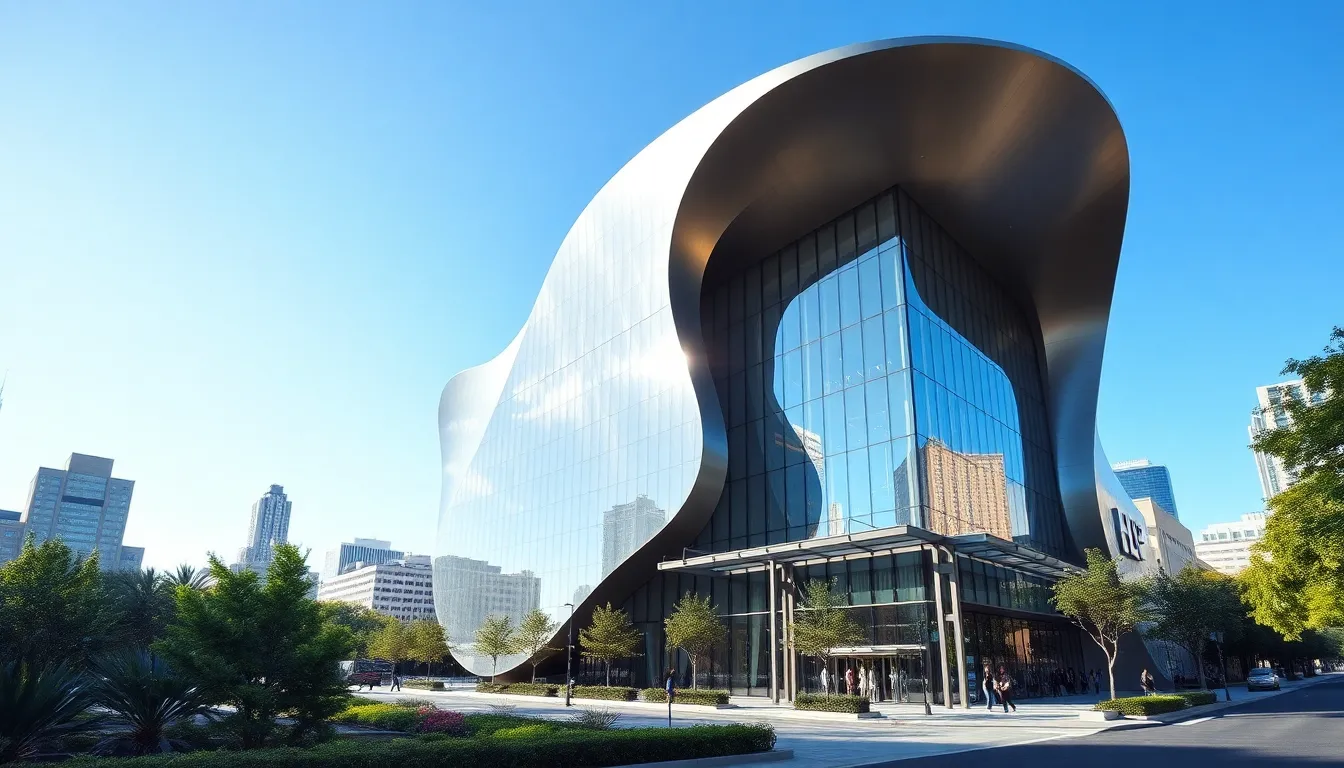
Expressionist architecture emerged in the early 20th century, primarily even though the rigid frameworks of that time. The movement coincided with similar currents in art and literature, which sought to represent emotional experiences rather than physical realities. Post World War I, society craved a new direction, a breakaway from traditional norms that had defined earlier architectural styles.
Countries like Germany and the Netherlands saw pioneers like Bruno Taut and Hendrik Petrus Berlage creating structures that resonated with emotional depth and personal expression. These architects were inspired by various influences, including Gothic and Baroque styles, yet they boldly reinterpreted these lineage through emotional and sensory layers. As industrialization changed the landscape, expressionists responded by crafting edifices that broke barriers and embraced the abstract, evoking the potent feelings of the era.
Key Characteristics of Expressionist Architecture
An inherent rebelliousness characterizes expressionist architecture, along with a variety of distinctive traits. One striking feature lies in the fluidity of shapes. Unlike traditional architecture that depended on straight lines and rigid forms, expressionist structures often employ sweeping curves and unconventional geometries, making them more dynamic.
Another hallmark includes dramatic effects created through the play of light and shadow. Large glass panels, unique rooflines, and multi-functional spaces open to the surroundings create an interplay between interior and exterior.
Besides, materials are used in imaginative ways. Concrete, wood, and glass are manipulated not merely for function but to evoke feelings, sensations, and connections to the natural world. The emotional composition within these buildings makes visitors feel engaged at levels far beyond the physical.
Notable Expressionist Architects and Their Works
Several architects stand out in the realm of expressionist architecture, each contributing unique visions that have left lasting impacts.
Bruno Taut is particularly noteworthy. His famed “Hut of the Future” was a daring symbol of hope and optimism, promoting cooperative living. The structure featured bright colors and a heavenly dome, inviting its inhabitants to dream differently about their future.
Erich Mendelsohn was another visionary, known for his striking designs such as the Einstein Tower in Potsdam, Germany. This building, with its organic forms and asymmetrical shapes, sought to transcend typical architectural norms.
Hans Scharoun, celebrated for the Berlin Philharmonic, illustrates how expressionism can merge function with artistic expression. His design emphasizes fluid spaces and acoustic sophistication, perfectly blending a performing venue with a sense of communal gathering.
Influence of Expressionism on Modern Architecture
The roots of expressionist architecture run deep, influencing numerous modern architectural movements. Its emphasis on emotion and form paved the way for movements such as deconstructivism and organic architecture.
Architects like Frank Gehry often cite expressionism as a key influence, with structures like the Guggenheim Museum in Bilbao showcasing dynamic forms and an emotive appeal. Gehry’s ability to create spaces reflective of human experiences speaks volumes about expressionism’s enduring legacy.
Also, the rise of sustainable architecture has also been shaped by expressionist ideals. As designers seek to harmonize built environments with their natural settings, the principles of expressionist architecture guide innovative material use and organic forms.
Examples of Expressionist Architecture Worldwide
Globally, expressionist architecture boasts a blend of spectacular examples worthy of admiration.
In Sydney, the Sydney Opera House, designed by Jorn Utzon, is perhaps the most recognized symbol. Its sail-like roofs reflect the coastal environment, making it not just a building but a landmark that interacts with its surroundings.
The Mumbai’s Convent of Jesus and Mary showcases expressionism through its curved forms and colorful tiling, capturing the vibrancy of its locale while offering a residential community feel.
Zurich’s FIFA Headquarters stands as an embodiment of modern expressionism, harmonizing waves of glass with geometric patterns, creating inspiring spaces that resonate with rhythm and movement.
Future of Expressionist Architecture
Looking ahead, the future of expressionist architecture seems promising as new technologies emerge, allowing architects to push boundaries further than ever before. With advancements in eco-friendly materials and digital modeling, architects can create even more intricate and expressive designs that consider both aesthetics and sustainability.
Also, as urban areas grapple with the effects of climate change and overcrowding, expressionism’s focus on nature-oriented designs stands to make a significant impact in shaping cities that feel both human and harmonious. The integration of nature within urban planning could lead to a revival of expressionist principles, emphasizing emotional connectivity within the urban fabric.