






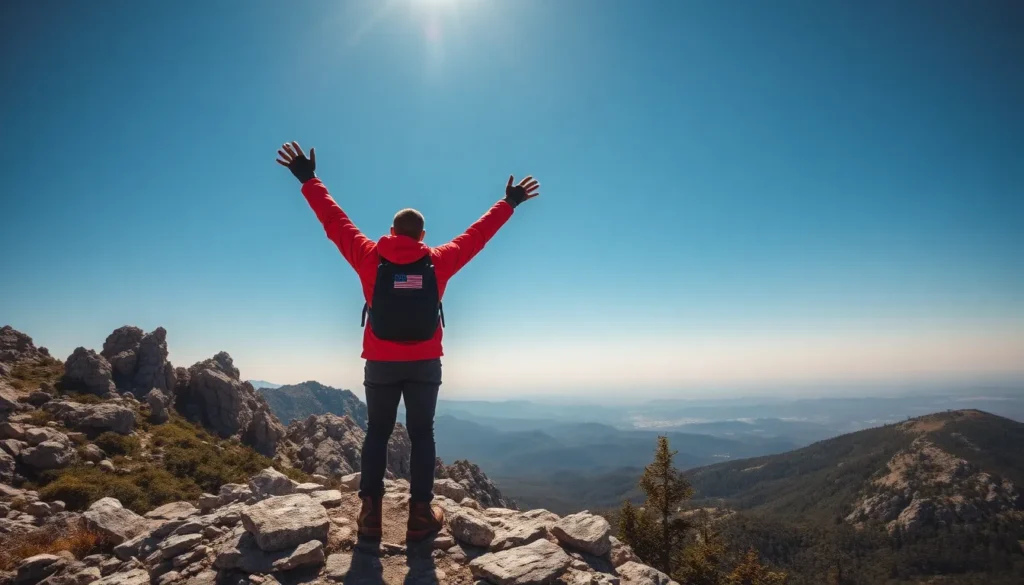
Climbing Timgoraho Mountain isn’t just a walk in the park; it’s more like a stroll through a funhouse filled with unexpected twists and turns. For those with a thirst for adventure and a healthy dose of determination, this majestic peak offers a challenge that can leave even the most seasoned hikers gasping for breath—and not just because of the altitude.
With its rugged terrain and breathtaking views, Timgoraho beckons thrill-seekers from all corners. But before lacing up those hiking boots, it’s wise to understand what lies ahead. Is it a grueling trek or a manageable jaunt? Strap in as we explore the ups and downs of conquering this stunning mountain, and discover if you’re ready to take on the challenge or if you’d rather stick to your couch and a bag of chips.
Overview of Timgoraho Mountain
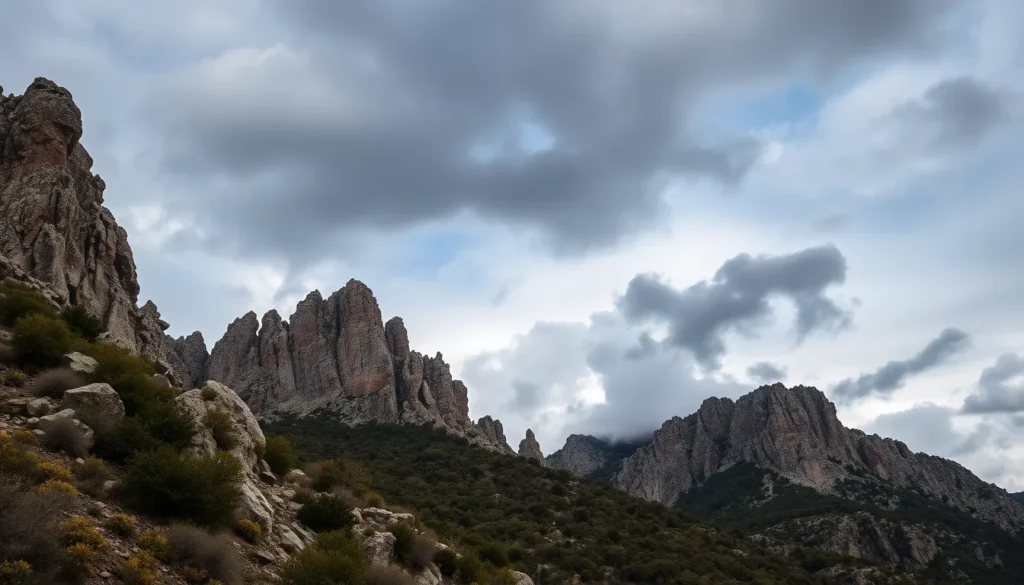
Timgoraho Mountain rises prominently in the landscape, offering both beauty and challenge to adventurers. Landscapes range from rocky outcrops to dense vegetation, showcasing its diverse ecosystems. Each trail features steep inclines, making navigation a demanding task for many hikers.
Weather conditions can change rapidly, impacting visibility and overall climbing experience. Climbers often encounter narrow paths and loose rocks, necessitating careful footing. Average elevation reaches approximately 2,700 meters, presenting enough altitude to affect some individuals.
Specific trails vary in difficulty levels. The southern route is well-marked and ideal for those seeking moderate hiking experiences. Conversely, the northern approach presents rugged terrain that requires technical skills.
Local wildlife adds to the charm. Sightings of eagles, mountain goats, and various native flora contribute to the memorable outdoor experience. Preparations include suitable gear and hydration strategies, as these elements significantly enhance safety and comfort.
Climbers appreciate panoramic views from the summit that reveal the vast surroundings. This perspective inspires many to tackle the ascent despite its challenges. Completion of the hike rewards participants with a sense of accomplishment and stunning memories. Choosing the right time of year also plays a role; summer offers the best conditions for a successful trek.
Understanding these factors allows potential hikers to assess their readiness for the journey ahead, making it an exciting challenge rather than a daunting task.
Factors Affecting Climb Difficulty
Several factors significantly influence the challenge of climbing Timgoraho Mountain. Understanding these aspects helps climbers prepare effectively for the adventure ahead.
Terrain and Weather Conditions
Terrain plays a crucial role in climb difficulty. Rocky outcrops and dense vegetation create a diverse environment for hikers. Climbers face varying trail conditions, with the southern route offering well-marked paths suited for moderate climbers. In contrast, the northern approach demands technical skills due to its rugged characteristics. Weather conditions can change rapidly on the mountain. Visibility may diminish with sudden storms, affecting navigation and increasing risk. Staying informed about forecasts before the climb is essential for safety and planning.
Altitude and Physical Demands
Altitude impacts physical performance significantly. Timgoraho Mountain rises to approximately 2,700 meters, posing challenges such as altitude sickness for some climbers. Adjusting to elevated terrain might take time, particularly for those coming from lower altitudes. Physical demands of the hike vary depending on the chosen route. Moderate hikers can manage well on gentler slopes, while experienced climbers face tougher ascents that require stamina and endurance. Proper preparation, including endurance training, enhances the likelihood of a successful and enjoyable climb.
Preparation for Climbing Timgoraho Mountain
Preparation is key for a successful climb of Timgoraho Mountain. Climbers must gather essential gear and train adequately to tackle the challenges presented by the terrain and weather.
Essential Gear and Equipment
Climbing Timgoraho Mountain requires proper gear. Sturdy hiking boots ensure good traction on rocky surfaces. Waterproof clothing protects against sudden weather changes. A high-quality backpack keeps all necessary supplies organized and secure. Hydration systems, such as water bladders, guarantee access to fresh water throughout the climb. Navigation tools, including maps and compasses, help climbers stay oriented on the trail. Emergency kits provide first aid supplies for any unexpected injuries. Headlamps or flashlights are crucial for navigating during early morning or late evening hours. Each item contributes to a safer and more enjoyable climbing experience.
Training and Fitness Requirements
Physical fitness is vital to successfully climb Timgoraho Mountain. Cardiovascular endurance prepares individuals for lengthy ascents. Hiking hills and mountains builds strength and stamina. Strength training, focusing on the legs, core, and upper body, enhances overall climbing ability. Stretching helps prevent injuries during strenuous activities. Regular practice with heavier backpacks simulates real climbing conditions. Climbers should consider acclimatization to higher altitudes, gradually ascending to prevent altitude sickness. Assessing personal fitness levels is essential to determine if further training is necessary before embarking on the climb.
Personal Experiences and Testimonials
Climbers often share their insights about tackling Timgoraho Mountain, revealing the challenges and triumphs faced during the ascent.
Stories from Climbers
Many climbers recall exhilarating moments from their journeys. They describe navigating rocky trails that demand focus and agility. One climber noted how the stunning views from the summit made the effort worthwhile. Overcoming the daunting northern approach provided a sense of accomplishment that remains unforgettable. Hikers have expressed gratitude for the diverse ecosystems encountered along the way, adding to the adventure. Another climber highlighted the support from fellow trekkers, emphasizing the camaraderie shared during challenging sections. Stories like these inspire others to take on the mountain.
Tips from Experienced Hikers
Experienced hikers provide valuable advice for those planning to scale Timgoraho Mountain. Prioritizing physical fitness remains essential for a successful climb. Sturdy hiking boots can enhance comfort and stability on unpredictable terrain. Hydration systems are critical, ensuring sufficient fluid intake throughout the hike. Navigational tools, such as maps or GPS devices, help maintain orientation in changing weather. Packing emergency kits ensures preparedness for unexpected situations. Engaging in acclimatization exercises enhances endurance at higher altitudes. Familiarity with personal limits reduces the risk of altitude sickness, promoting a safer climbing experience.
Climbing Timgoraho Mountain presents a thrilling adventure that challenges both novice and experienced hikers. The diverse terrain and unpredictable weather create an exhilarating experience that demands preparation and resilience. With the right gear and a solid fitness plan climbers can embrace the journey and enjoy the stunning vistas that await at the summit.
The stories shared by those who’ve conquered Timgoraho serve as motivation for future adventurers. Each ascent offers not just a physical challenge but also the chance to connect with nature and fellow climbers. Ultimately the climb is more than just a test of endurance; it’s an opportunity to discover personal limits and celebrate triumphs amidst breathtaking landscapes.