






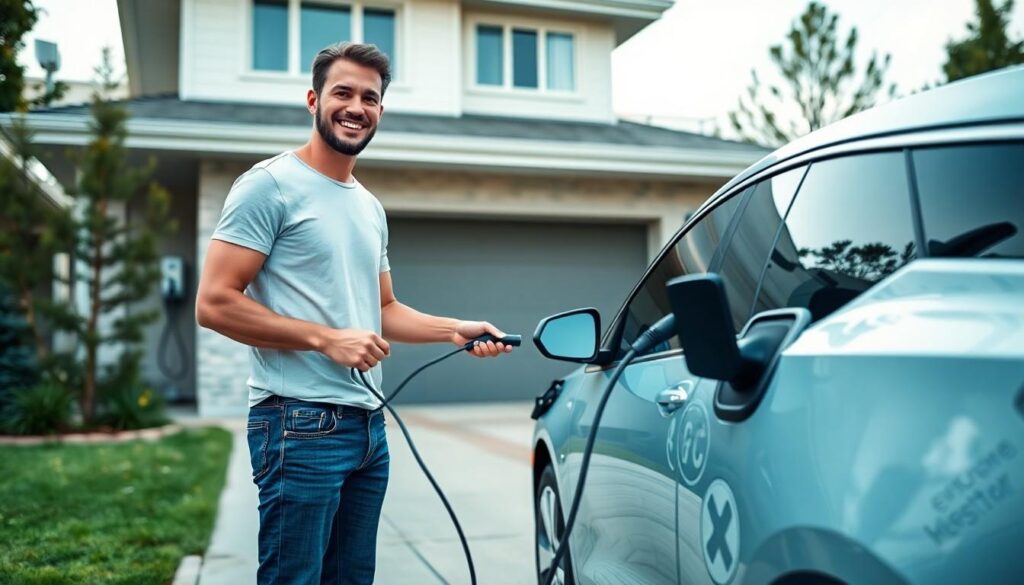
In a world where gas prices are climbing faster than a squirrel on a caffeine high, switching to an electric vehicle is looking more appealing than ever. But what about charging it? Installing an EV charger at home isn’t just a smart move; it’s like giving your car a cozy little home away from home. Imagine rolling into your driveway and plugging in your ride while you kick back with a snack. Sounds dreamy, right?
Fear not, tech novices and DIY warriors alike! Installing an EV charger at home doesn’t have to feel like solving a Rubik’s Cube blindfolded. With the right tools and a sprinkle of patience, you can transform your garage into a charging station that would make even the Jetsons jealous. Let’s dive into how to make this electrifying upgrade happen without turning your home into a construction zone.
Understanding EV Chargers
Understanding electric vehicle chargers is crucial for making an informed decision about installation. Knowledge of different types and their benefits helps streamline the process.
Types of EV Chargers
Level 1 chargers utilize a standard 120-volt outlet, making them ideal for overnight charging. Level 2 chargers require a 240-volt outlet, allowing for faster charging and typically used for home installations. DC fast chargers offer rapid charging capabilities, achieving up to 80% charge in about 30 minutes. While they’re more suited for commercial settings, knowing their specifications can be helpful for future needs.
Benefits of Installing an EV Charger at Home
Installing an EV charger at home offers multiple conveniences. Home charging eliminates trips to public stations, saving time and reducing inconvenience. Cost savings emerge from lower electricity rates compared to gas prices. Charging at home also promotes vehicle readiness, as drivers can start their day with a fully charged battery. Additionally, having a dedicated charging station can enhance property value, making it an appealing feature for future buyers.
Preparing for Installation
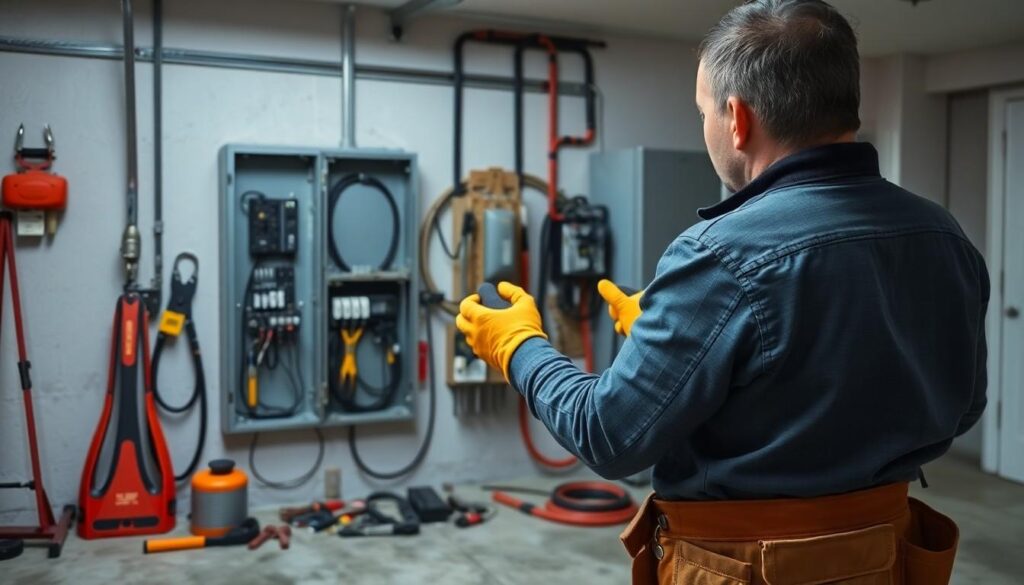
Preparing for the installation of a home EV charger involves several key steps. Understanding electrical requirements and selecting an appropriate charger ensures a smooth setup process.
Assessing Your Electrical System
Assessing your electrical system is crucial before installation. Verify that your home’s electrical panel can accommodate the additional load of an EV charger. Typically, a Level 2 charger requires a dedicated circuit, often rated at 40 amps. Consulting an electrician helps identify necessary upgrades, such as a new circuit breaker or increased amperage. Evaluating existing wiring also ensures safety and compliance with local code regulations.
Choosing the Right Charger for Your Vehicle
Choosing the right charger for your vehicle depends on several factors. Level 1 chargers offer convenience with standard outlets, ideal for overnight charging of low-mileage drivers. Level 2 chargers provide faster charging times, suitable for daily use and longer trips. Battery capacity and charging needs influence the decision significantly. Researching manufacturer specifications aids in selecting compatible options. Prioritize features such as charging speed, smart capabilities, and warranty for optimal usage.
Installation Process
The installation of a home EV charger is straightforward. Following proper steps ensures a smooth setup.
Setting Up the Charging Location
Choosing an optimal charging location is crucial. Areas near a garage or driveway provide convenience and protection from the elements. Assess surrounding space for easy access to the EV without obstruction. Electrical outlets should be accessible; this will facilitate easier installations. Consider distance from the main electrical panel to minimize wiring requirements. Local building codes might apply; review these regulations for compliance. Sufficient lighting at the installation site enhances visibility, especially during nighttime. Prioritizing these factors establishes a functional charging station.
Connecting the EV Charger
Connecting the EV charger requires attention to details. Ensure an electrician performs this task for safety and compliance with local codes. Installing a dedicated circuit often involves updating the electrical panel for higher capacity. Specific chargers come with manufacturer instructions; following these guidelines is essential for proper installation. Tightening connections prevents energy loss and increases efficiency. Testing the charger after installation ensures everything operates smoothly. Use a circuit tester to confirm power flow before plugging in the EV. Properly executed connections lead to reliable charging experiences.
Safety Considerations
Installing an EV charger at home requires attention to safety to ensure a secure and efficient setup. Prioritizing safety protects both users and property from potential hazards.
Electrical Safety Tips
Ensure the electrical system meets the requirements for the EV charger. Consult a licensed electrician to determine if upgrades are necessary for handling the additional load. Install dedicated circuits, especially for Level 2 chargers, to prevent overloads and minimize risks. Utilize proper grounding techniques to reduce the chance of electrical failures. Regularly inspect the charger’s connections for any wear and tear to maintain safety. Avoid using extension cords to connect the charger, as this practice poses a serious fire risk.
Local Codes and Regulations
Adhere to local building codes and regulations when installing an EV charger. Many municipalities have specific requirements regarding electrical installations. Reviewing local codes ensures compliance and avoids potential fines or safety issues. Permits may be necessary before installation; thus, verify requirements with local authorities. Engaging a qualified electrician familiar with regional regulations can streamline the permitting process. Following these guidelines guarantees a safe installation that meets all legal standards.
Maintenance and Troubleshooting
Maintaining a home EV charger ensures optimal performance and enhances longevity.
Regular Maintenance Practices
Inspect connectors for dirt or corrosion every few months. Cleaning these components improves electrical conductivity and prevents charging issues. Check for wear on the charging cable too, as fraying can pose safety risks. Ensure the area around the charger remains clear of debris and obstructions, which might interfere with accessibility. Schedule a professional inspection annually to verify the electrical system’s integrity. Keeping the charger clean and well-maintained contributes to safer, more effective charging.
Common Issues and Solutions
Experiencing a malfunctioning EV charger can be frustrating. If the charger isn’t powering on, check the circuit breaker for tripped switches. Tightening connections may solve some issues as loose wires can disrupt power flow. If the charger shows an error message, consult the user manual for specific troubleshooting steps. When problems persist, contacting a qualified electrician for assistance offers peace of mind. Taking these steps addresses common concerns and restores charging functionality promptly.
Installing an EV charger at home not only enhances convenience but also supports the growing shift toward sustainable transportation. By understanding the different charger types and preparing the electrical system accordingly, homeowners can ensure a smooth installation process.
Prioritizing safety and compliance with local regulations is crucial for a successful setup. With regular maintenance and inspections, a home EV charger can provide reliable performance for years to come.
Embracing this technology not only benefits the individual but also contributes to a greener future. As electric vehicles continue to gain popularity, having a home charging station can be a significant asset.