






Garden snakes may seem like harmless little critters, but when they slither into your backyard uninvited, they can turn your peaceful oasis into a scene straight out of a horror movie. While they’re great for keeping pesky pests at bay, it’s understandable to want them to take their leave. After all, who wants to share their garden with a snake that thinks it’s the star of a nature documentary?
Fear not! There are plenty of home remedies that can help you reclaim your garden without resorting to drastic measures. From natural repellents to clever tricks, these solutions are not only effective but also easy on the wallet. So, let’s dive into some snake-busting strategies that’ll have those slippery visitors packing their bags in no time, leaving you to enjoy your garden in peace.
Understanding Garden Snakes
Garden snakes can appear unsettling, yet they play vital roles in backyard ecosystems. Their presence indicates a healthy environment but may lead to discomfort for homeowners.
Common Types of Garden Snakes
Garden snakes include several species, often mistaken for each other. The Eastern garter snake thrives in various habitats, featuring stripes along its body. The Eastern ribbonsnake shares similar traits but is more slender and colorful. The brown snake tends to blend in with the ground, making it less noticeable. Additionally, the common watersnake may venture into gardens near water sources, presenting bold patterns. Knowledge of these species helps homeowners identify and understand their unique behaviors.
Benefits of Garden Snakes in the Ecosystem
Garden snakes contribute significantly to pest control within ecosystems. They help manage populations of rodents and insects, providing natural balance. These snakes consume small animals, reducing crop damage and enhancing soil quality. Furthermore, they serve as food for larger predators, integrating into the food web. Their presence fosters biodiversity and supports healthy garden environments. Understanding these benefits encourages coexistence rather than elimination.
Home Remedies for Deterring Garden Snakes
Homeowners can effectively use natural remedies to deter garden snakes without harming the environment. Many options exist that are simple, affordable, and safe for gardens.
Natural Repellents
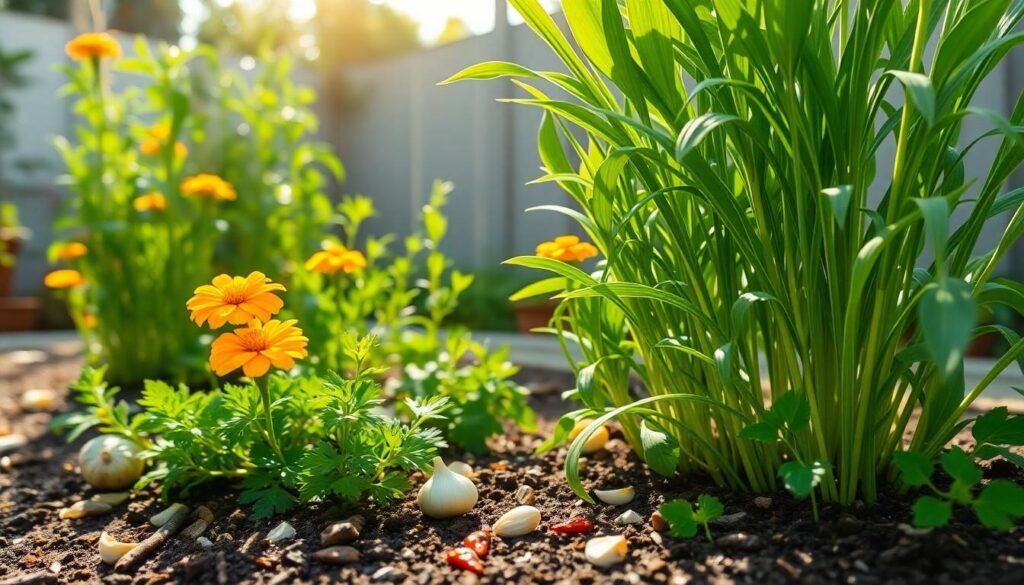
Certain substances react to snakes’ sensitive chemical receptors, making them effective repellents. Common options include vinegar, garlic, and chili pepper. Vinegar’s strong scent disrupts their habitat, while crushed garlic cloves and chili powder deter snakes with their potent aromas. Rock salt, spread around the garden perimeter, can also create a barrier. Planting snake-repellent herbs like marigold and lemongrass enhances the garden’s defenses, reducing snake attraction. Applying these natural deterrents around the garden’s edges keeps snakes at bay while promoting a healthier ecosystem.
Essential Oils and Their Uses
Essential oils serve as strong deterrents for snakes due to their potent smells. Peppermint oil ranks highly among effective options. When mixed with water and sprayed around the garden, it emits a scent unappealing to snakes. Clove oil and cinnamon oil also deter these creatures when used similarly. Using a cotton ball soaked in these oils near entrances or nests provides targeted effectiveness. Each application can be reapplied periodically or after rain for maintained results. Combining different essential oils may strengthen the overall effectiveness and enhances the garden’s aromatic profile.
Physical Barriers to Keep Snakes Away
Creating physical barriers can effectively discourage snakes from invading gardens. Homeowners can implement simple solutions that serve as deterrents.
Fencing Solutions
Installing fencing presents a reliable method to block snakes. Use wire mesh or solid barriers that extend at least 3 feet high to prevent climbing. Bury the fence a foot deep to stop entry from below. Ensure the bottom is flush with the ground to eliminate gaps. Choose materials such as galvanized steel or plastic mesh for durability. Regular inspections ensure the fencing remains intact.
Garden Layout Strategies
Designing the garden layout can significantly influence snake presence. Select plants that naturally repel snakes, such as marigolds and lemongrass. Create open spaces, removing dense brush or debris that provide hiding spots. Keep firewood piles and compost away from garden areas, making yards less inviting for snakes. Maintain lawns neatly and trimmed, discouraging snake activity by eliminating tall grass.
Safety Precautions When Dealing with Snakes
Being cautious is essential when interacting with snakes. Understanding their nature helps prevent unwanted encounters and potential harm.
Identifying Venomous vs. Non-Venomous Snakes
Identifying the differences between venomous and non-venomous snakes is crucial. Venomous snakes typically possess triangular heads and slit-like pupils, while non-venomous snakes have round pupils and slender heads. Common venomous garden snakes include copperheads and rattlesnakes. Recognizing the Eastern garter snake, a non-venomous species, can help reduce fear. Observing the snake’s behavior plays a role; defensive hissing or aggressive postures often indicate a snake feels threatened. Remaining calm and maintaining a safe distance enables better identification while ensuring personal safety.
First Aid for Snake Bites
Administering proper first aid for snake bites remains critical. Staying calm minimizes panic, which can elevate heart rate and spread venom more rapidly. It’s essential to call emergency services promptly if bitten. Keeping the affected limb immobilized and positioned lower than the heart can help slow venom movement. Avoid suctioning the bite area or using ice, as these methods can worsen the situation. Instead, monitor the bite for swelling or changes in color. Providing information about the snake can aid medical professionals in delivering the appropriate treatment.
Managing garden snakes can be a delicate balance between maintaining a healthy ecosystem and ensuring personal comfort. By employing natural home remedies and strategic garden designs, homeowners can effectively deter snakes without harming them. Utilizing repellents like vinegar and essential oils alongside physical barriers creates a less inviting environment for these creatures.
Understanding the role of garden snakes in pest control and biodiversity is crucial for fostering coexistence. With the right approach, it’s possible to enjoy a peaceful outdoor space while respecting the beneficial presence of these reptiles. Homeowners can reclaim their gardens and create a safer environment for themselves and their families.