

Table of Contents
ToggleA pergola transforms a bare backyard into an outdoor living room, but without a waterproof roof, it’s just a sunny shelter that falls apart after the first hard rain. Whether you’re protecting furniture, creating a dry seating area, or simply extending usable outdoor space year-round, choosing the right pergola roof system matters. This guide walks through seven practical waterproofing approaches, from retractable fabrics to metal panels, so you can pick a solution that matches your climate, budget, and maintenance tolerance. Each option has trade-offs, and the best choice depends on how much shade you want, how much weather you face, and whether flexibility or permanence suits your lifestyle.
Key Takeaways
- Waterproof pergola roof solutions range from retractable shade cloth ($800–$4,000+) to durable metal roofing ($1,200–$3,500), each offering different trade-offs between cost, flexibility, and maintenance.
- Polycarbonate and acrylic panel systems provide semi-transparent waterproofing with excellent light transmission, though acrylic yellows faster (7–10 years) while polycarbonate lasts 12–15 years under UV exposure.
- Proper drainage is essential to any waterproof pergola roof: install appropriately sized gutters (typically 5–6 inches), slope materials at least 2–3%, and extend downspouts 4–6 feet away to prevent water damage.
- Retractable shade cloth offers on-demand flexibility for renters and those seeking adjustable coverage, but fabric degrades faster in coastal areas and requires replacement every 5–7 years.
- Metal roofing delivers superior durability (20–30 years) and requires minimal maintenance, though it conducts heat and amplifies rain noise unless insulated.
- Combination approaches layer multiple systems—such as metal roofing with retractable fabric underneath—to maximize year-round comfort and usability at higher upfront costs ($2,500–$6,000+).
Retractable Shade Cloth Covers
Retractable shade cloth is the most flexible waterproof pergola solution. These systems roll up when you don’t need coverage and deploy fully across the pergola frame in minutes. Most quality versions use solution-dyed polyester fabric rated for UV and water resistance, with aluminum or galvanized steel roller mechanisms.
The fabric typically sheds water at a 2–3% slope engineered into the mounting rails: excess moisture drains to gutters or flows to edges. Depending on fabric weight and weave, coverage ranges from 80% to 97% of sunlight, so you still get dappled light rather than complete darkness. Installation requires secure mounting to pergola beams and a power source if you want motorized operation, manual crank or cordless drill-powered systems cost less but require more elbow grease.
Key advantages: You get instant on-demand shade and waterproofing without a permanent structure. On cool mornings, roll it up for sun and airflow. In afternoon heat or storms, deploy it in seconds. For renters or those who move, retractable systems are portable if properly anchored.
Downsides: Motorized versions cost $1,500–$4,000+ installed. Manual versions run $800–$2,000. Fabric can tear if not properly tensioned, and salt spray in coastal areas degrades fabric faster. UV-rated fabrics last 5–7 years before fading or becoming brittle: replacement fabric runs $400–$1,000.
Polycarbonate Panel Roofing Systems
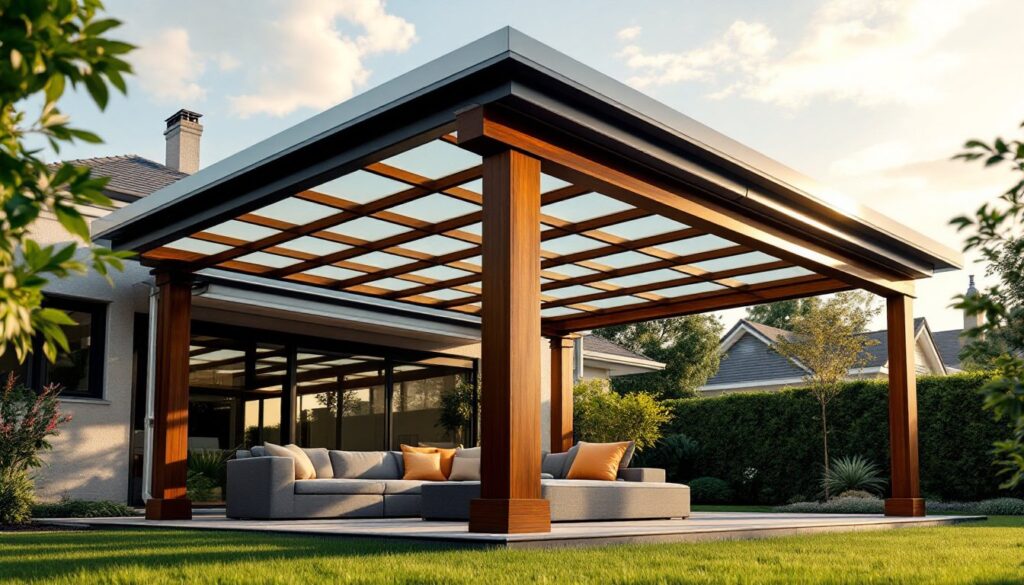
Polycarbonate panels are translucent, impact-resistant plastic sheets that sit atop pergola beams, creating a semi-transparent roof. Twin-wall and triple-wall versions (4–10 mm thick) offer superior insulation and noise dampening compared to single-layer acrylic. They’re truly waterproof and shed rain efficiently.
The panels come in clear, opal (milky white), and tinted variants. Clear panels let roughly 85% of light through: opal reduces glare and diffuses light evenly, ideal for sitting areas where you don’t want harsh shadows. Installation requires an aluminum or PVC frame system, don’t attach panels directly to wood pergola beams, as wood movement will crack them. Flash properly where panels meet the frame to prevent water pooling.
Polycarbonate isn’t maintenance-free. Dust and algae collect on the surface in humid climates: annual cleaning with soft-bristle brushes and mild soap keeps them clear. Over 10–15 years, UV exposure causes slight yellowing, especially in clear panels (opal masks this better). Hail can dent some thinner versions, though 10 mm twin-wall resists most impacts.
Cost runs $800–$2,500 for materials and labor on a 12×12 pergola, depending on panel thickness and frame type. This is a permanent installation, not a retrofit, expect to budget for structural reinforcement if your pergola frame wasn’t originally designed for roof load. Check local building codes: some jurisdictions require permits for overhead structures.
Metal Roofing Options for Durability
Metal roofing, standing seam, corrugated, or aluminum shingles, is the most durable pergola solution. Standing seam systems use interlocking metal panels (usually aluminum or steel coated in polyester, Kynar 500, or similar finishes) that shed water reliably. Corrugated metal is cheaper, lighter, and easier for DIYers to install, but shows fastener patterns and doesn’t look as refined.
Proper underlayment is critical. Lay breathable roofing underlayment over pergola framing to catch any water that sneaks under fasteners, then attach metal panels using color-matched fasteners with rubber washers that compress and seal as you tighten them. Don’t over-tighten, rubber washers fail if crushed. A slight slope (minimum 2:12 pitch) helps water run off: if your pergola is truly flat, expect micro-pooling and leaf buildup in corners.
Metal doesn’t require resealing like some materials, and it resists UV, rot, and insect damage. Painted finishes last 20–30 years. Over time, fastener seals degrade slightly: re-sealing every 10 years extends life. Cost: $1,200–$3,500 for a small pergola, depending on metal type and finish.
Downside: Metal conducts heat, so an uninsulated metal roof heats up the space below on sunny days, not ideal if you’re seeking shade comfort. Noise during rain is louder than other systems unless you add insulation. For a steeper learning curve, a contractor install is safer: mistakes in flashing lead to leaks inside structure.
Clear or Frosted Acrylic Panels
Acrylic panels are lighter and more affordable than polycarbonate, offering excellent UV clarity and impact resistance at a lower price point. They’re cast or extruded acrylic, often in flat sheets or corrugated profiles. Clear acrylic transmits 92% of light (brighter than polycarbonate), making spaces feel open and airy.
Frosted or diffused acrylic reduces glare and hides dust better than crystal clear: it’s popular for pergolas over seating areas. Installation is similar to polycarbonate, use aluminum frames, flash edges, and slope gently for drainage. But, acrylic is softer than polycarbonate and scratches more easily. It’s also more prone to crazing (stress cracking) if fastened too tightly or if there’s excessive thermal movement. Keep fasteners at least 2 inches from panel edges and use oversized washers to distribute pressure.
Maintenance includes regular cleaning to prevent algae and dust buildup. Acrylic yellows faster than polycarbonate under UV exposure (7–10 years vs. 12–15), though UV-coated versions extend this. Cost is 20–30% lower than polycarbonate: roughly $600–$2,000 for materials on a small pergola.
Best for: Pergolas where you want bright, filtered light and a lower upfront cost. Not ideal in hail-prone regions or if you expect harsh abrasion. If durability is the priority, polycarbonate’s extra cost is justified.
Integrated Gutter and Drainage Solutions
No waterproof pergola roof works without proper drainage. Water pooling under panels, along seams, or in gutters destroys the underlying structure. Plan your drainage before committing to any roofing material.
Install continuous gutters along the downslope edges of the pergola roof. Use K-style or box gutters rated for your region’s rainfall. Size gutters based on roof area and local precipitation data: undersized gutters overflow during heavy rain, cascading water off the sides unpredictably. A typical 12×12 pergola with 50% shade coverage needs a 5-inch gutter: larger structures or wet climates need 6 inches. Downspouts should drain at least 4–6 feet away from the pergola footings to prevent saturation and settling.
If you have a polycarbonate or acrylic panel roof, condensation can form on the underside on cool mornings, a phenomenon that surprises many DIYers. Proper ventilation (small gaps at panel edges or soffit vents) helps, but some dripping is inevitable. Design your seating area and electrical outlets accordingly: don’t run wiring directly under uninsulated panels.
For retractable fabrics, tension the cloth to a 2–3% slope so water doesn’t pool at the center. Test the slope by running a hose across the fabric: water should sheet toward gutters, not puddle. Metal roofing and standing seam systems should have at least a 2:12 pitch (roughly 17% slope) for reliable shedding, especially in snowy climates where water freezes and creates ice dams.
Budget $300–$800 for gutters and downspouts on a small pergola, installed professionally. DIY installation is possible if you’re comfortable with fastening and sealing: use silicone caulk rated for outdoor metal seams.
Combination Approaches for Maximum Flexibility
Many homeowners don’t want to choose one solution. A hybrid approach layers protection and flexibility for year-round comfort. For instance, you might install polycarbonate panels permanently, then add retractable shade cloth underneath that rolls up when you want full light transmission and rolls down for afternoon heat.
Another hybrid combines metal roofing over the pergola frame with polycarbonate or acrylic side panels (on the west or south face) to block afternoon sun. This gives permanent waterproofing but lets you control additional shading. Or, install a metal roof with a retractable motorized blind inside the pergola, the metal handles structural load and waterproofing, while the retractable system adds usable shade on demand.
Combination systems cost more upfront ($2,500–$6,000+ for a small pergola), but they maximize usability across seasons. Summer afternoons stay cool with full shade: winter mornings let through sun for warmth. Spring and fall storms won’t damage fabric because the metal roof underneath sheds water reliably. Gardenista offers ideas for layering outdoor elements to create multifunctional spaces.
Trade-off: Complexity increases maintenance and repair costs. If the motorized shade fails, you can’t manually override it on some systems. And aesthetically, too many layers can look busy: plan your color scheme carefully so materials complement rather than clash.
Before committing to a combination system, sketch your pergola’s sun angles at different times of year using a sun path calculator online. This helps you understand where shadows fall naturally and where added shade helps most, a small north-facing pergola might only need fabric, while a large south-facing structure benefits from layered protection.
Conclusion
Choosing a waterproof pergola roof depends on your climate, budget, maintenance tolerance, and how you’ll use the space. Retractable systems offer flexibility: polycarbonate and acrylic deliver clarity and durability at moderate cost: metal roofing wins on longevity and structural strength. Proper drainage ties everything together, undersized gutters or poor slope undermine even the best material. Start by assessing your yard’s sun exposure and rainfall patterns, then match a roofing solution to those realities. Most projects require structural assessment or permits: don’t skip the planning phase. A well-executed waterproof pergola extends your outdoor season and protects your investment for decades.