


Table of Contents
ToggleA hot tub can be the centerpiece of outdoor living, but dropping one on bare ground or a generic concrete pad misses the opportunity entirely. The right patio setup transforms a tub from a solo fixture into an integrated retreat that invites you outside year-round. Whether you’re building from scratch or retrofitting an existing space, smart design choices around decking, landscaping, lighting, and shelter make the difference between a functional soak and a genuine oasis. Let’s walk through eight proven hot tub patio ideas that balance practicality with the relaxation you’re after.
Key Takeaways
- Sunken hot tub designs create a seamless, upscale look by integrating the tub below grade with proper drainage and surrounding deck space for safety and circulation.
- Elevated deck platforms work best on sloped yards and require robust structural support rated for 2,500–5,000 pounds of water and people, with joists spaced 16 inches apart and composite materials recommended for durability.
- Strategic landscaping with salt-tolerant plants like bamboo, Japanese maples, and dwarf evergreens in raised beds reduces wind, adds privacy, and improves the overall ambiance of your hot tub patio ideas.
- Layered lighting—task, ambient, and underwater—transforms evening soaks into a welcoming retreat, with GFCI-protected circuits and low-voltage LED systems ensuring safety and mood.
- Privacy screens and partial shade structures protect from wind and sun while creating psychological boundaries, with pergolas costing less than gazebos but offering flexible shelter for hot tub areas.
- Functional seating, non-slip surfaces, nearby showers, and equipment storage complete the retreat by ensuring safe access, comfort, and easy maintenance of your hot tub patio.
Sunken Hot Tub Designs for Seamless Integration
A sunken hot tub sits below grade level, creating a built-in look that feels permanent and intentional. Instead of the tub dominating the landscape, it nestles into your yard, making the surrounding patio feel cohesive.
The main appeal: a sunken tub requires less railing or lip, uses existing grade to your advantage, and often appears more upscale than above-ground installations. You’ll dig a basin slightly larger than your tub footprint, ensuring proper drainage around the perimeter.
Before you start digging, verify soil composition and local drainage codes. Clay-heavy soils need a gravel base and perforated drain pipe to avoid water pooling. Most jurisdictions don’t require a permit for cosmetic sunken tubs under 500 gallons, but always check with your building department first, buried electrical and plumbing work often does.
Surround the sunken area with a deck frame or poured concrete apron. A composite deck (like pressure-treated lumber or synthetic boards) around the sunken basin provides non-slip footing and ages better than treated wood alone. Leave 3 to 4 feet of usable deck space on all sides for safe entry and circulation. Plan for a skimmer and return line that discharge away from foot traffic. Simple stone or concrete coping along the basin edge prevents tripping and keeps debris out of the water.
Elevated Deck Platforms With Modern Styling
Elevated platforms are the opposite approach, the tub sits atop a custom-built deck, sometimes 12 to 24 inches high. This style suits sloped yards, improves drainage naturally, and creates a tiered outdoor room.
Build the deck frame from pressure-treated lumber rated for ground contact (typically 6×6 posts on concrete footings, 2×8 or 2×10 joists). Check local frost-line depth, footings must go below it to prevent heaving. In most northern climates, that’s 3 to 4 feet. Space joists 16 inches on-center for a hot tub’s weight load. A spa typically weighs 2,500 to 5,000 pounds full of water and people, so don’t skimp on structural lumber.
Deck boards can be pressure-treated lumber (nominal 2×6), composite material like Trex or Fiberon, or cedar. Composite boards cost more upfront but resist rot and require almost no maintenance, important when they’re constantly wet. Leave 1/4-inch gaps between boards for drainage and expansion. Angle all boards slightly (1/16-inch drop per foot) so water runs off rather than pooling.
A railings system becomes mandatory if the deck platform exceeds 30 inches. Codes typically require balusters spaced no more than 4 inches apart, check your IRC (International Residential Code). Built-in benches or a partial privacy screen integrated into the railing design adds function without extra deck space. Consider adding a wide step or landing on the approach side so entry feels graceful, not steep.
Spa Landscaping and Greenery Surrounds
Plants soften a hot tub area, reduce wind, and create visual privacy. The trick is choosing species that tolerate moisture, salt spray from chlorinated water, and often partial shade from evening use.
Bamboo or ornamental grasses in tall planter boxes work well, they’re not rooted directly in soil where salt-heavy runoff accumulates. Phyllostachys varieties (non-invasive clumping bamboo, not running types) grow 8 to 12 feet tall and create effective screening. Japanese maples, river birch, and dwarf evergreens like boxwoods handle the edge zones nicely. Avoid evergreens too close to the tub: needles and debris clog filters. A layered approach with taller screening plants 8 to 10 feet back, medium shrubs 4 to 6 feet away, and low perennials right at the deck edge creates depth.
Raised planter beds (12 to 18 inches high, built from composite or untreated cedar) keep roots away from the tub and allow for better soil control. Amend soil with peat and perlite to improve drainage, roots won’t tolerate standing water any more than the tub pad will. Mulch with bark or gravel to suppress weeds: fallen leaves and plant matter are the enemy of clear water.
Wind matters too. A sheltered corner of your property stays calmer and warmer than an exposed spot. If you’re building on an open lot, use hedging and strategic placement to channel breezes rather than fight them. This improves evaporation control and makes evening soaks more comfortable, especially in winter.
Lighting and Ambiance for Evening Relaxation
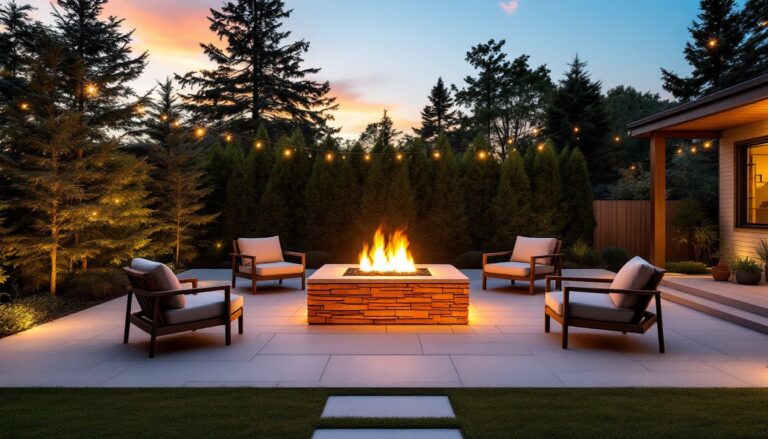
Proper lighting is the difference between a welcoming retreat and an awkward dark spot. Layer your approach: task lighting for safety, ambient lighting for mood, and underwater lighting for the tub itself.
Task lighting includes LED recessed lights in a soffit or string lights strung overhead. Install a dedicated 20-amp, GFCI-protected circuit for outdoor outlets, this isn’t optional, it’s code (NEC Article 680). Lights should cast enough illumination for safe entry and exit without harsh glare bouncing off the water. Low-voltage LED rope lights run along deck railings or steps are both safe and subtle.
Ambient lighting sets tone. Lantern-style pendants hung 8 to 10 feet overhead, pathway lights along approach routes, or uplights aimed at landscaping trees all contribute. Solar options exist, but they’re dimmer than hardwired low-voltage systems: use them only as supplementary mood lighting.
Underneath the water, submersible LED lights mounted on the tub walls or floor transform evening soaks. These come as retrofit kits for existing tubs or integrated into new spas. Color-changing LEDs are fun, but a simple white or soft blue works better for relaxation than rapidly cycling colors.
Dimmers let you adjust brightness and extend bulb life. Motion sensors on approach paths add safety and save energy. If you’re not comfortable running electrical yourself, hire a licensed electrician, outdoor circuits around water deserve professional work.
Privacy Screens and Shelter Solutions
Neighbors see straight into most backyards. Privacy screens create psychological and physical boundaries, and they block wind and afternoon sun that can overheat your tub.
Freestanding panels built from horizontal slats (cedar or composite), lattice, or slatted metal work fast and cost less than living hedges. These panels attach to sturdy posts set in concrete: make sure they’re rated for your wind zone. Most building codes don’t require permits for decorative screening under 6 feet tall, but check locally. Panels need bracing every 6 to 8 feet to prevent racking from wind pressure.
Living walls, dense hedges of privet, arborvitae, or yew, offer year-round privacy and sound dampening. They take 2 to 3 years to fill in but feel more permanent. Plant in a double or triple staggered row 3 feet apart for a quick visual screen.
Partial shade structures are smart too. A pergola or shade sail mounted above the tub reduces direct sun (which heats chemical-treated water unnecessarily) and provides light rain cover. Make sure the structure won’t obstruct views you want to keep: angle it for late afternoon shade in summer, early morning sun in winter. Polycarbonate panels clip into pergola frames if you need more weather protection without full enclosure.
For maximum shelter, consider a four-sided gazebo frame with removable panels or a retractable roof. These cost 3,000 to 8,000 dollars installed, but they’re worth it in climates with frequent wind, rain, or snow. Weight distribution is critical here, consult a structural engineer or licensed contractor for foundation and load specs, especially in snow-prone areas.
Functional Seating and Access Features
A hot tub area isn’t just the tub, it’s the lounging zone around it.
Lounge Chairs and Built-In Benches
Dedicated lounge chairs invite relaxation before and after soaks. Teak, synthetic wicker, or aluminum frames all resist moisture: skip untreated wood. Space chairs 3 to 4 feet from the tub rim so steam and splashing don’t drench cushions constantly. Waterproof cushions rated for outdoor use last longer than interior foam.
Built-in benches are smarter in tight spaces. A 4-foot bench molded into the deck perimeter or attached to privacy screens seats two comfortably and doesn’t require extra storage. Use marine-grade plywood wrapped in composite boards or outdoor-rated lumber to handle moisture. Support with 2×4 blocking every 16 inches: underseat drainage holes prevent water pooling.
Other access features matter just as much. Install a ladder or wide step on the tub entry side, standard pool ladders work, but custom composite steps feel more integrated. An outdoor shower or hose station near the tub lets people rinse before entering and after exiting: this keeps the tub cleaner longer. A small side table (weatherproof materials only) holds drinks, towels, or controls. Non-slip surfaces everywhere, deck boards, steps, and any wet surface where someone might be barefoot, are non-negotiable.
While you’re planning seating, consider a small utility shelf or cabinet for equipment storage. Chemicals, test kits, a cover lifter, and tools need a dry home close by, ideally shielded from view. A lockable composite storage bench does double duty as seating and storage.