


Table of Contents
ToggleA 20-year-old’s bedroom is more than just a place to sleep, it’s a personal retreat where productivity, relaxation, and self-expression collide. Whether you’re decorating your first apartment, updating your college dorm space, or transforming your childhood bedroom into something that actually reflects who you are now, the stakes feel higher. You want a bedroom that works hard for you: functional enough for late-night study sessions or remote work, but also inviting enough that you actually want to spend time there. The good news? Creating a modern, adult bedroom doesn’t require a design degree or deep pockets. It takes intentional choices about layout, color, furniture, and lighting. Let’s walk through practical ideas that’ll turn your bedroom into a space that feels genuinely yours.
Key Takeaways
- Strategic bed placement and defined zones for sleeping, working, and relaxing are essential to maximizing space in a 20-year-old’s bedroom, even in tight quarters.
- A neutral color palette with bold accent colors through textiles and removable elements creates a mature, intentional look that works for renters and lasts through style changes.
- Investing in a few quality furniture pieces—like a sturdy bed frame, ergonomic desk chair, and functional dresser—beats buying multiple cheap items that don’t stand the test of time.
- Layered lighting with dimmers, task lighting, and warm ambient options transforms bedroom mood and prevents eye strain during work or relaxation.
- Personal touches like gallery walls, textiles, books, and low-maintenance plants add character while restraint ensures the space feels curated rather than cluttered.
Create a Functional Layout That Maximizes Space
Before you buy anything, look hard at your room’s actual dimensions and flow. Measure wall lengths, note window and door placement, and identify any closets or built-ins. Sketch it out on paper or use a free online layout tool, this takes 15 minutes but saves you from furniture-moving regrets.
Start by anchoring your bed strategically. Most 20-year-olds need a queen or full-size frame: pick placement that doesn’t block the door swing and ideally puts the bed against a wall rather than floating in the middle. Leave at least 2 feet on one side for making the bed and accessing nightstands. If your room’s tight, consider a bed frame with underbed storage drawers, these can hold off-season clothes or extra bedding without eating floor space.
Next, create distinct zones: sleeping, working, and chilling. Even in a small room, a desk tucked into a corner (or against the wall opposite the bed) gives you a dedicated work or gaming spot. A small dresser or low bookshelf acts as both storage and a visual anchor. If space allows, a compact armchair or floor cushion in another corner becomes your chill-out zone. The key is not cramming everything against walls, one or two well-placed pieces often feel less cluttered than pushing everything to the perimeter.
Don’t skip the traffic patterns. You should be able to walk from the door to your bed, desk, and closet without doing an obstacle course. Good flow makes the room feel bigger and more livable, even if square footage is limited.
Choose a Color Palette That Reflects Your Style
Color sets the tone faster than any other design element. The trick is picking a palette that feels intentional rather than defaulting to whatever wall color the landlord left behind.
Neutral Tones for a Timeless Look
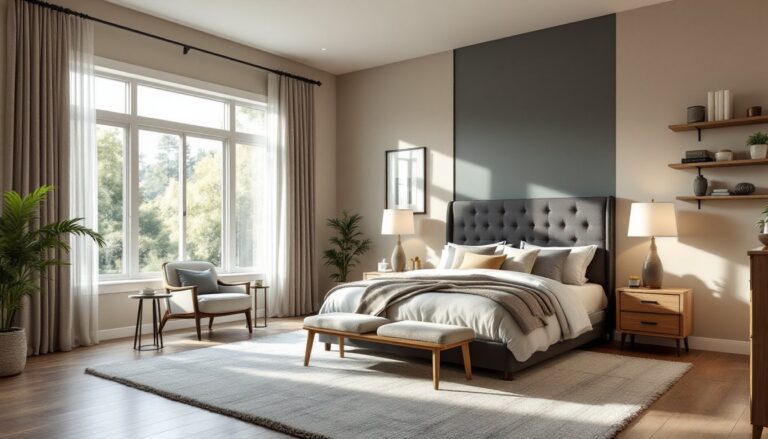
Neutrals (grays, taupes, soft blacks, and warm whites) are the grown-up default for good reason: they’re flexible, they age well, and they let you swap out accent pieces without repainting. A soft warm gray or greige (gray-beige blend) on walls creates a calm backdrop that works with almost any furniture style. Pair it with crisp white bedding and natural wood furniture for a clean, Scandinavian feel. The bonus? If you’re renting and can’t paint, neutral bedding and throws layered over a neutral base still read as intentional and mature.
If you lean minimal, consider a soft black or charcoal accent wall behind the bed. It’s bold without being claustrophobic, especially if the rest of the room stays light. This works particularly well if you’re into photography, art, or gaming, the dark background makes posters and monitors pop.
Bold Accent Colors for Personality
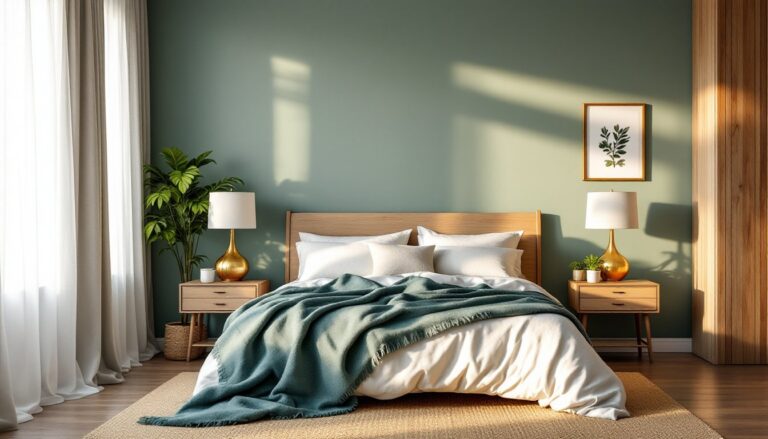
Want more personality? Bring in a bold accent color through furniture, textiles, or removable wall elements rather than full room paint. Deep navy, forest green, or warm terracotta are mature choices that feel less “dorm room poster” and more “intentional design.” Layer these into a bedspread, wall art, or an accent pillow. The reason? You can swap them out if your tastes shift, and if you’re renting, you’re not fighting a landlord about wall color.
Experiment with color combinations: warm gray walls + navy bedding + mustard yellow accent pillows, or soft white walls + forest green dresser + warm wood tones. Modern design inspiration from sources like Design Milk shows how restrained color palettes with strategic pops of bold color feel elevated rather than random.
Select Quality Furniture That Serves Multiple Purposes
At 20, you’re done with the hand-me-downs and flat-pack furniture that falls apart in a year. Invest in a few core pieces that’ll last through several moves and actually look intentional.
Start with a sturdy bed frame, solid wood or quality metal, not that flimsy particleboard option. A good frame costs $200–$500, but you’ll use it every night for years. Pair it with a quality mattress: eight hours of sleep on something mediocre adds up to thousands of lost hours. You don’t need the most expensive brand, but a mid-range foam or hybrid mattress ($400–$700) will serve you far better than a budget option.
For work and storage, a simple desk with drawers gives you a dedicated workspace without eating the whole room. Metal-frame desks with wood or concrete tops ($150–$350) feel modern and industrial. Pair it with an ergonomic office chair (critical if you’re doing remote work or gaming for hours), posture matters, and a cheap chair will wreck your back.
A dresser or chest of drawers does double duty: storage and a surface for a lamp, books, or your phone. Look for solid construction (not veneer that peels) and dimensions that fit your room. Low profile dressers (not tall and narrow) feel less heavy in a small space.
Skip the room full of furniture. Three or four solid, multipurpose pieces beat ten cheap impulse buys. Projects like those featured on Young House Love often highlight how thoughtful furniture selection, not quantity, transforms a space. A storage ottoman at the foot of your bed? It’s seating, storage, and a visual anchor, all in one.
Add Lighting and Ambiance to Set the Mood
Lighting is the underrated MVP of bedroom design. Poor lighting makes even a beautiful room feel off: good lighting transforms it.
Start with layered lighting: overhead (ceiling fixture or flush mount), task (desk lamp), and ambient (bedside lamp or wall sconce). Overhead alone is harsh and unflattering, you need dimmers or a ceiling fixture on a three-way switch so you can go bright for cleaning and dressing, then dim for evening wind-down. A dimmable LED ceiling fixture ($30–$80) or a simple track light system gives you control without replacing the whole fixture.
For your desk, a focused LED desk lamp ($25–$60) prevents eye strain during work or gaming. Position it to the side of your monitor so you’re not staring into glare. Warm white LEDs (2700K color temperature) feel more natural and relaxing than harsh cool white.
Bedside lighting should be warm and adjustable. A brass or metal swing-arm wall sconce ($40–$100) saves nightstand space, or a simple table lamp on a small nightstand works too. The goal is being able to read or scroll without blasting your eyes and wrecking your sleep cycle.
Add accent lighting for ambiance: string lights, LED strip lighting behind a monitor, or a neon sign if that’s your vibe. These should be subtle, not dominating, think accent, not disco ball. Smart bulbs that adjust color temperature throughout the day are a nice touch if you spend a lot of time working from bed.
Incorporate Personal Touches and Decor Elements
A bedroom filled only with furniture looks like a hotel room. Personal touches are what make it actually feel like yours.
Start with wall art: posters, prints, or framed photography that genuinely speak to you. Skip the generic motivational quotes and instead hang photos from trips, album artwork, or art prints that you’d actually want to look at every day. Create a simple gallery wall with 3–6 pieces in matching frames (or a mix if they’re intentionally curated) above your desk or dresser. It’s a project anyone can DIY in an afternoon, grab a level, mark where each frame goes, and hang them.
Textiles do heavy lifting on a budget. A quality bedspread or duvet cover ($60–$150) in a solid color or subtle pattern, layered with throw pillows in complementary colors, immediately raises the room’s design level. A throw blanket draped over the foot of the bed or chair adds texture and coziness. These swap out easily if you want to refresh without major investment.
Books, plants, and collections add depth. A small bookshelf or floating shelves displaying favorite books, vinyl records, or objects you actually care about beats a blank wall. A low-maintenance plant (pothos, snake plant, monstera) adds life and doesn’t require a PhD in botany. Even small details like this show intentionality.
Don’t go overboard. The difference between “curated” and “cluttered” is restraint. A room design like those on Apartment Therapy often shows how smart spacing and choosing fewer, better pieces create the most impact. One good poster beats twenty bad ones. One meaningful plant beats a jungle that requires daily maintenance you won’t actually do.